20 Accent Wall Design Ideas to Upgrade Your Space Beautifully
Every room has a moment when it feels like it’s missing something—a little spark, a focal point, a sense of personality that ties everything together. That is where accent walls come in. They have the power to shift the entire atmosphere of a room, turning plain corners into dramatic statements and quiet spaces into expressive ones.
Whether it’s a bedroom craving warmth, a hallway needing a defined character, or a living room asking for more depth, accent walls bring soul to a home. These bold, imaginative design choices allow you to blend colors, textures, and materials in a way that feels uniquely yours. And the best part? You don’t need a huge renovation budget to make a striking impact.
From painted patterns to wood paneling to textured wallpaper, simple changes can transform your rooms into places that feel inspired and intentional. Accent wall ideas are endlessly versatile, and when chosen thoughtfully, they can elevate your home more than any expensive furniture piece ever could. This article dives into 20 creative ways to reimagine your walls, no matter which room you want to enhance.
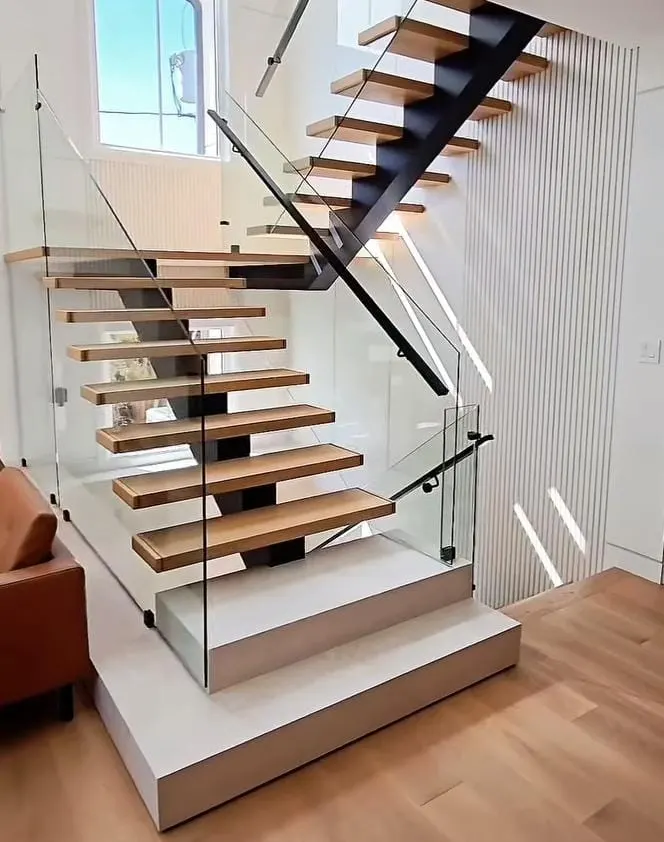
Also read: 20 Stunning and Unique Staircase
Why Accent Walls Matter in Every Room
Accent walls work because they create a visual anchor—a place where the eye naturally lands when you enter a room. When your home lacks structure or feels too flat, a single well-designed wall can add architectural presence, warmth, and dimension.
Accent walls can divide open-concept areas, highlight architectural features, or bring color into rooms that feel monotonous. They allow you to experiment with personality in a way that feels safe yet impactful, especially in spaces where painting or remodeling the whole room isn’t ideal. With accent walls, you can explore texture, pattern, and color without overwhelming your home.
Also read: 20 Moody Romantic Bedroom Ideas
How Accent Walls Transform Mood and Harmony
Every accent wall carries an emotional tone. Deep earthy tones create grounding comfort; bright colors awaken energy; wood textures add coziness; geometric patterns spark creativity. In bedrooms, accent walls enhance relaxation.
In dining areas, they elevate atmosphere. In hallways, they break monotony. And in home offices, they add motivation and focus. A well-executed accent wall has the ability to change how you feel the moment you step inside a space—and today’s design trends focus on choices that feel intentional, balanced, and effortlessly stylish.
Quick Guide: Popular Accent Wall Styles
| Accent Wall Type | Best Room | Difficulty | Design Impact |
|---|---|---|---|
| Painted Geometric | Bedrooms, Offices | Easy | Bold + Modern |
| Wood Slat Wall | Living Rooms, Entryways | Medium | Warm + Textured |
| Wallpaper Statement | Dining Rooms, Hallways | Easy | Stylish + Trendy |
| Stone or Brick | Living Rooms | High | Rustic + Dramatic |
| Color-Blocked Wall | Bedrooms, Kids Rooms | Easy | Fun + Clean |
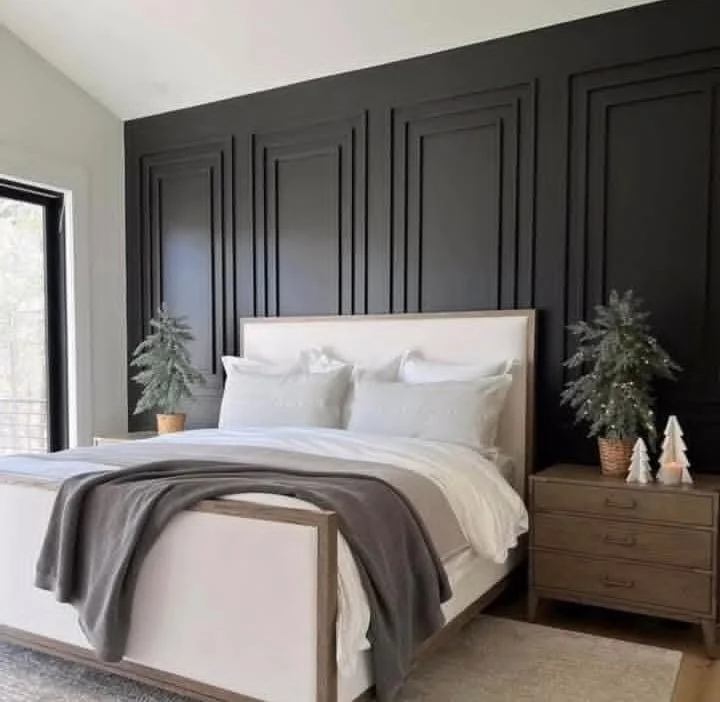
1. Soft Charcoal Bedroom Accent Wall
Materials Needed
• High-quality charcoal paint
• Angled brush and roller
• Painter’s tape
• Drop cloth
• Primer
• Finishing sponge
Step-by-Step Instructions
- Start by clearing the wall and wiping away any dust or debris.
- Lay a drop cloth across the floor to protect your surface from accidental drips.
- Apply painter’s tape around wall edges, outlets, and ceiling lines to keep your lines sharp.
- Add a thin coat of primer and allow it to dry completely.
- Pour your charcoal paint into a tray and begin with an angled brush around corners and edges.
- Use a roller in an up-and-down motion to fill in larger sections.
- Apply the first coat lightly, giving it time to dry before adding the next.
- Repeat for a second coat to ensure an even color without patches.
- Inspect for any uneven edges and lightly blend using a finishing sponge.
- Remove painter’s tape while the paint is still slightly damp to avoid peeling.
- Allow the wall to cure overnight before pushing furniture back.
- Add warm lighting or tan bedding to soften the contrast.
- Incorporate neutral décor to keep the look balanced.
- Hang minimalist artwork to enhance the wall’s depth.
- Step back to make sure the charcoal tone integrates smoothly with the room.
Benefits
• Adds a sophisticated, hotel-like mood to the bedroom.
• The charcoal shade grounds the room and creates instant visual depth.
• Works beautifully with earthy tones, creams, and natural textiles.
• Enhances the feeling of intimacy and comfort.
• Highlights headboard areas naturally.
• Makes inexpensive décor look elevated.
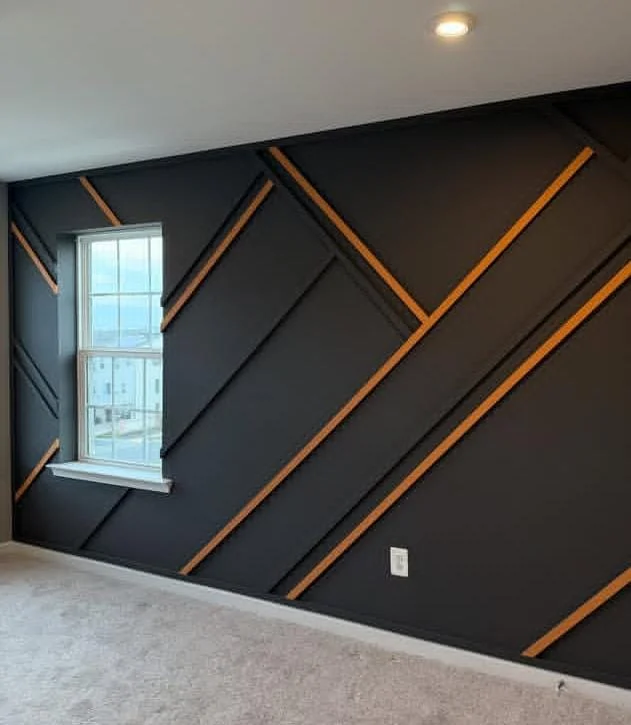
2. Two-Tone Split Accent Wall (Horizontal or Vertical)
Materials / Tools Needed
- Two contrasting paint colors
- Painter’s tape
- Level or laser guide
- Angled paintbrushes
- Rollers and trays
- Measuring tape
- Pencil for marking lines
Step-by-Step Instructions (12–15 lines)
- Start by deciding whether your split design will be vertical, horizontal, or diagonal.
- Measure the wall and lightly mark the separation line using a pencil.
- Use a level or laser guide to ensure the dividing line remains perfectly straight across the entire wall.
- Apply painter’s tape directly on the pencil line to define the edges sharply.
- Begin painting the first half of the wall with your lighter color for a clean base.
- Allow the first color to dry completely before moving on.
- Once dry, tape over its edge again to maintain crisp separation.
- Paint the second half using the darker or more vibrant color.
- Roll evenly to avoid streaks where the two colors meet.
- When the wall feels dry to the touch, gently remove the painter’s tape.
- Inspect the dividing line; touch up with a small brush if needed.
- Add optional décor such as metallic wall letters, framed art, or a slim wooden trim along the divide.
- Clean your brushes and rollers so colors don’t bleed in future projects.
- Step back and adjust décor placement to balance both tones visually.
- Finish by anchoring furniture that complements the two-tone palette.
Aesthetic, Mood, & Functional Benefits (6 lines)
- The contrasting colors instantly add dimension and modern character to plain rooms.
- It helps visually widen or heighten a space depending on whether the split is horizontal or vertical.
- The clean line divides zones naturally, perfect for open-plan layouts and small apartments.
- Works beautifully for offices, living rooms, hallways, and kids’ rooms.
- The two-tone approach enhances lighting and shadow play, especially in minimalist interiors.
- A cost-effective way to achieve a designer-level look without major renovation.
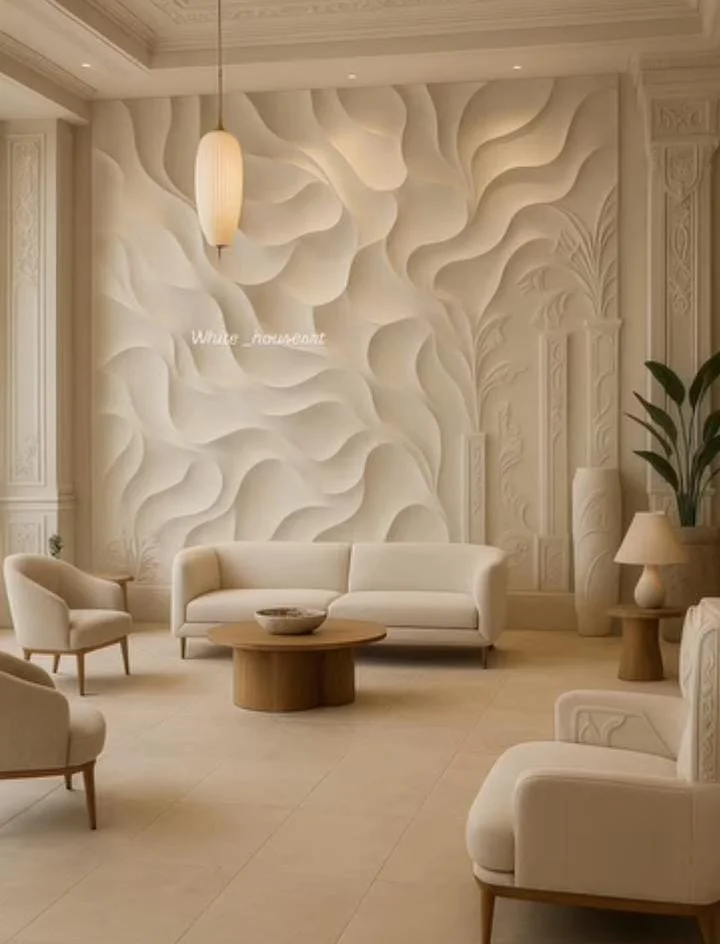
3. Textured Plaster Accent Wall (Limewash or Roman Clay)
Materials / Tools Needed
- Limewash or Roman clay mix
- Wide putty knife and trowel
- Sanding block
- Drop cloths
- Primer suitable for textured finishes
- Microfiber cloth
- Buckets and mixing tools
Step-by-Step Instructions
- Prepare your wall by cleaning away dust, oils, or flaking paint.
- Apply a primer suited for textured products to ensure proper adhesion.
- Mix your limewash or clay mixture according to instructions until smooth.
- Use a wide trowel to scoop a thin amount and apply it to the wall in sweeping motions.
- Keep strokes varied—some long, some short—to mimic a hand-crafted, natural texture.
- Continue layering with gentle pressure to build subtle depth without making the wall heavy.
- Allow the first coat to dry partially, not completely, so the second layer blends more organically.
- Apply a second coat with cross-hatch strokes for a cloud-like, movement-rich finish.
- For more texture, lightly press the trowel edges into sections for raised accents.
- Smooth overly rough spots using a damp microfiber cloth while still workable.
- Once fully dry, sand lightly with a block to achieve soft, stone-like polish.
- Add optional color washes for a more dramatic tone variation.
- Step back often to check balance so the texture looks cohesive.
- Clean tools thoroughly to avoid hardened product buildup.
- Complete the look with wood décor, plants, or warm lighting.
Benefits
- Creates a natural, organic, artisanal feel reminiscent of European or Mediterranean interiors.
- Adds depth and visual softness without relying on bold colors.
- Works beautifully in bedrooms, hallways, living rooms, and dining spaces.
- Texture helps disguise minor wall imperfections.
- Pairs well with rustic, boho, coastal, and earthy design styles.
- The finish ages gracefully, growing richer over time.
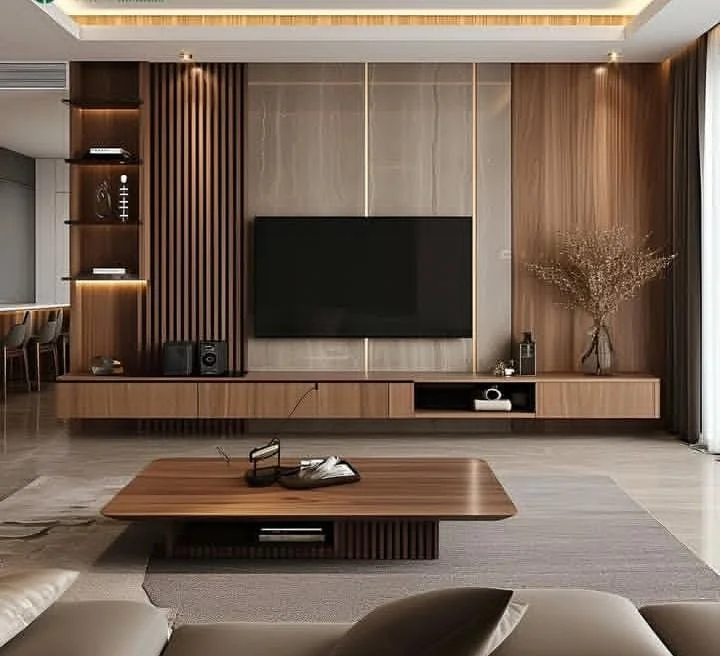
4. Wooden Slat Accent Wall (Vertical or Horizontal)
Materials / Tools Needed
- Wooden slats or MDF strips
- Measuring tape
- Nail gun or strong adhesive
- Level
- Sandpaper and stain
- Saw for cutting lengths
- Safety goggles
Step-by-Step Instructions
- Measure the height and width of the wall to determine how many slats you need.
- Cut your wooden strips to the correct size using a saw.
- Sand edges thoroughly to remove splinters and achieve a smooth finish.
- Stain or paint the slats before installation to prevent drips on your wall.
- Mark the wall with vertical or horizontal guidelines using a level.
- Start at one end and apply adhesive or use a nail gun to secure the first slat.
- Use consistent spacing between slats for a clean, rhythmic look.
- Continue applying slats across the entire wall, checking alignment frequently.
- Adjust spacing near corners if necessary to achieve symmetry.
- Fill nail holes if you used nails, then lightly sand and touch up stain.
- Wipe excess adhesive before it dries to keep the finish tidy.
- Install optional LED backlighting for a modern glow.
- Add shelves or décor elements that integrate seamlessly with the slats.
- Clean the surface to remove sawdust and residue.
- Step back and enjoy the architectural depth it creates.
Benefits
- Adds strong visual architecture and detail with a natural, warm tone.
- Perfect for living rooms, TV walls, bedrooms, and modern offices.
- Slats help elongate ceilings or widen narrow rooms depending on orientation.
- Works well with Scandinavian, Japandi, or minimalist styles.
- Provides acoustic benefits by softening echoes.
- Makes a dramatic statement while still feeling clean and understated.
5. Soft Ombre Gradient Accent Wall
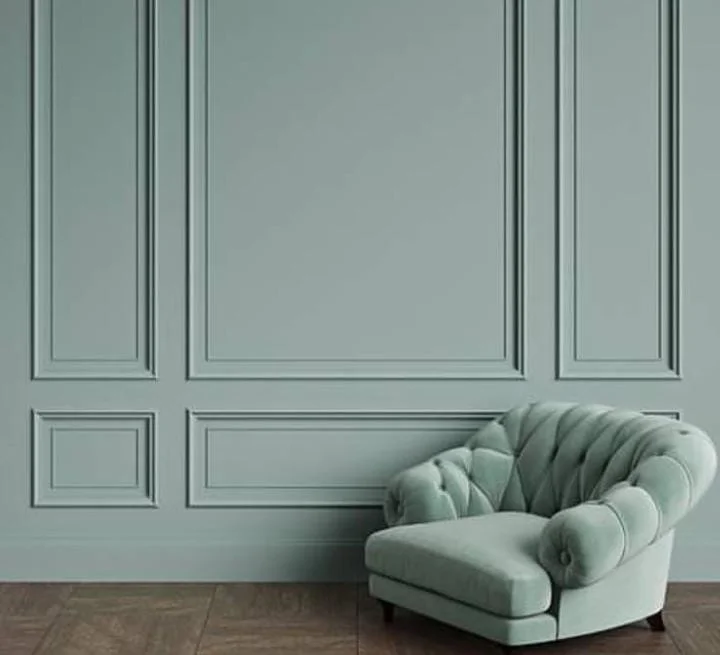
Materials / Tools Needed
- Three to four shades of the same color
- Large sponge and blending brushes
- Spray bottle with water
- Rollers
- Drop cloths
- Painter’s tape
- Mixing trays
Step-by-Step Instructions
- Choose a color family—blue, pink, beige, or green—then pick shades that fade smoothly.
- Prepare the wall by taping off edges and protecting the floor.
- Paint the entire wall with the lightest shade as your base layer.
- After it dries, work one section at a time to avoid harsh lines.
- Apply the medium shade in a band directly beneath or above the base.
- Use a sponge or blending brush to soften the edges between the two shades.
- Mist water lightly from a spray bottle to keep the paint workable.
- Add darker shades as you move downward or upward depending on your gradient direction.
- Continue blending each band until transitions look cloudy and seamless.
- Step back repeatedly to check balance and adjust blending.
- Use soft circular motions on the sponge for a smooth fade effect.
- Blend all shades until the gradient feels natural and atmospheric.
- Once dry, inspect for uneven patches and blend again lightly if needed.
- Remove painter’s tape to reveal clean borders.
- Complement the wall with light furniture and textured fabrics.
Benefits
- Creates a dreamy, ethereal atmosphere ideal for bedrooms and nurseries.
- Makes walls appear taller or wider depending on gradient direction.
- Softens the overall room mood without dramatic patterns.
- Visually soothing and calming, perfect for relaxation spaces.
- Offers a gentle artistic touch that’s still subtle and elegant.
- Works well in homes that want color without busy detail.
6. Stone Veneer Accent Wall
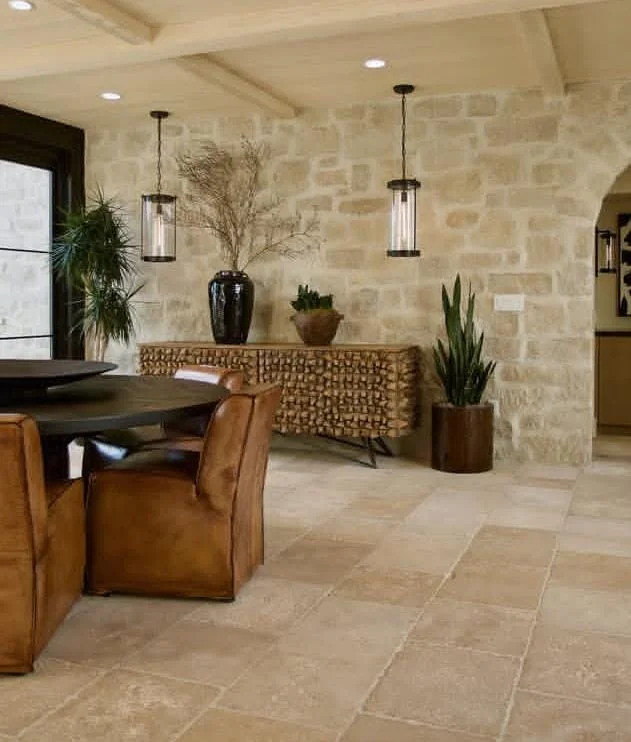
Materials / Tools Needed
- Lightweight stone veneer panels
- Adhesive mortar
- Trowel
- Level
- Grout or filler
- Measuring tape
- Wet saw
Step-by-Step Instructions
- Measure your wall and calculate the number of stone panels needed.
- Clean and prime the wall to help adhesive bond securely.
- Begin at the bottom corner, applying adhesive mortar in a thin, consistent layer.
- Place the first panel and press firmly for adhesion.
- Use a level to ensure each row remains straight as you build upward.
- Cut panels as necessary with a wet saw for tight edges.
- Continue installing panels, staggering them for natural variation.
- Apply small spacers if you plan to fill gaps with grout.
- Once the wall is covered, apply grout or filler neatly into joints.
- Wipe away excess grout with a damp sponge before it hardens.
- Allow everything to dry completely to avoid sliding or cracking.
- Clean the stone surface to reveal its natural texture.
- Seal the stone if required for durability.
- Add sconces or warm lighting to highlight the stone.
- Style with minimal décor to avoid visual competition.
Benefits
- Stone adds strength, natural beauty, and earthy elegance.
- Works well in fireplaces, dining rooms, entryways, and masculine offices.
- The texture instantly elevates even the simplest interiors.
- Creates a timeless, high-end look with excellent durability.
- Adds depth and shadow play throughout the day.
- Perfect for rustic, farmhouse, industrial, or lodge-style homes.
7. Mural Accent Wall (Hand-Painted or Decal-Based)
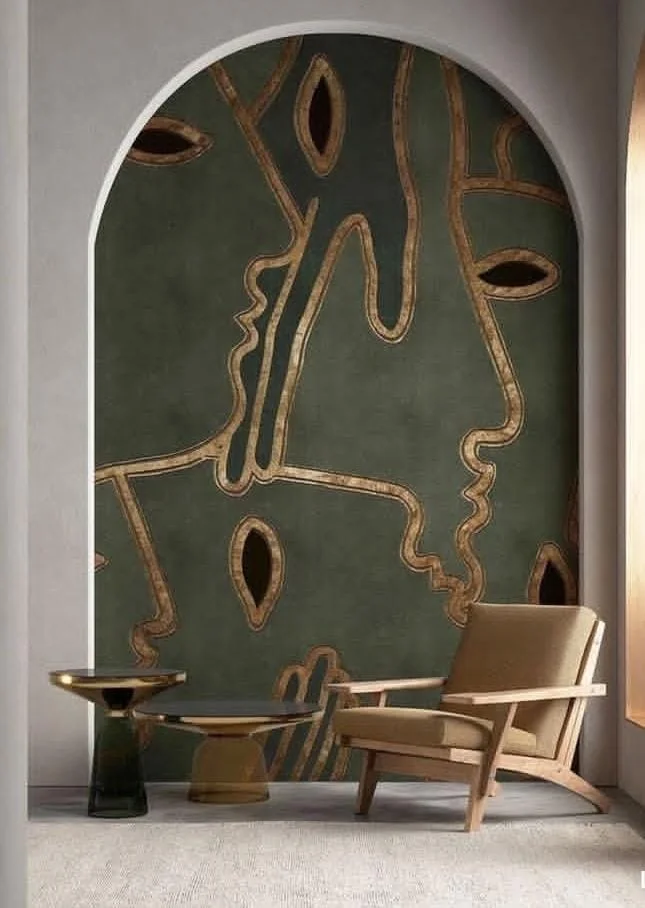
Materials / Tools Needed
- Mural paint or removable decals
- Fine detail brushes
- Chalk pencil for sketching
- Level
- Painter’s tape
- Stencils (optional)
- Step ladder
Step-by-Step Instructions
- Select a theme—botanical, geometric, oceanic, abstract, or landscape.
- Clean the wall and paint it with a neutral base color.
- Sketch your design lightly using a chalk pencil.
- If using decals, arrange them temporarily with tape to plan placement.
- Begin painting large background elements first for better flow.
- Move to medium details, using controlled brush strokes.
- Add fine detailing last to avoid smudging.
- Step back repeatedly to maintain proportion and balance.
- If using decals, peel and attach them slowly from top to bottom.
- Smooth out air bubbles using a plastic squeegee.
- Seal painted murals with a matte clear coat for protection.
- Blend colors where necessary to create depth and movement.
- Clean edges or mistakes with a damp cloth before drying.
- Add subtle shadows for 3D effect.
- Frame the mural visually with minimal décor.
Benefits
- Creates a fully personalized artistic moment in any room.
- Works beautifully for kids’ rooms, offices, dining areas, and hallways.
- Adds storytelling and visual interest in a single wall.
- Can be soft and calming or bold and energetic.
- Makes rooms feel curated and custom built.
- Immediately stands out in Pinterest-style home tours.
8. Geometric Paint Accent Wall
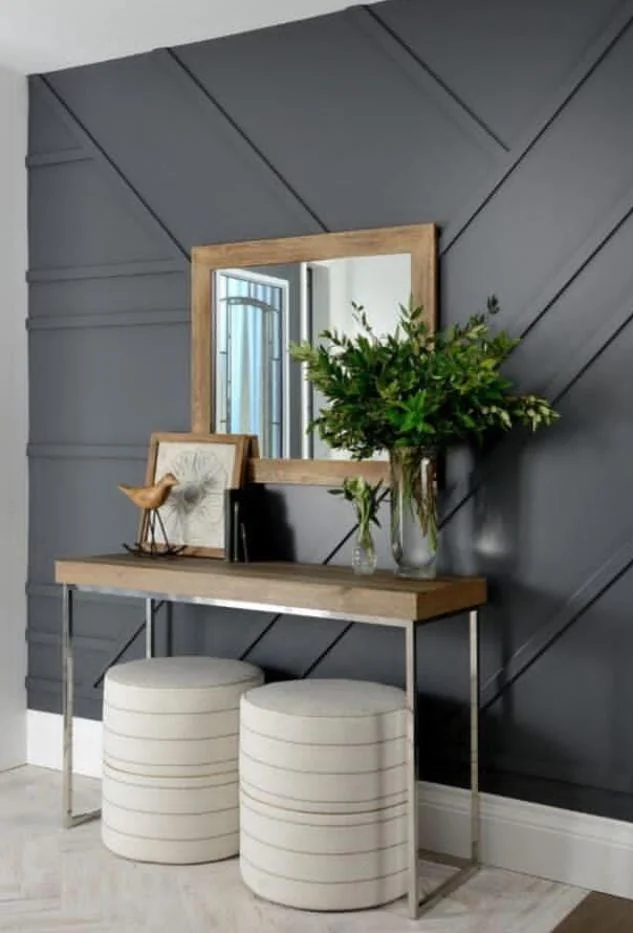
Materials / Tools Needed
- Multiple paint colors
- Painter’s tape
- Level and ruler
- Pencils
- Rollers and small angled brushes
- Drop cloth
- Paint trays
Step-by-Step Instructions
- Decide on geometric shapes—triangles, diamonds, polygon clusters, or abstract lines.
- Sketch your shapes lightly on the wall with a pencil and ruler.
- Use painter’s tape to outline each shape precisely.
- Assign colors to each shape, choosing a palette of 3–6 complementary tones.
- Begin painting shapes one color group at a time to avoid confusion.
- Use small brushes to control edges and prevent bleeding.
- Remove tape carefully before paint dries fully to keep edges crisp.
- Allow shapes to dry, then tape off and paint adjacent areas.
- Repeat until all shapes are filled with color.
- Touch up intersections using fine brushes.
- Step back regularly to maintain overall visual harmony.
- Add metallic lines if you want a sleek, modern finish.
- Clean tools between color changes to avoid muddy mixing.
- Remove all tape and inspect for imperfections.
- Decorate with simple, clean-lined décor to match the modern feel.
Benefits
- Makes a bold, artistic statement and adds instant modernity.
- Perfect for entryways, offices, living rooms, and creative studios.
- Helps define an otherwise plain space with graphic energy.
- Highlights architectural angles or hides awkward wall lengths.
- Works with both minimal and colorful interior themes.
- Customizable to any color palette or room style.
9. Fabric Panel Accent Wall
Materials / Tools Needed
- Upholstery fabric
- Plywood or foam boards
- Staple gun
- Measuring tape
- Adhesive strips or mounting brackets
- Scissors
- Iron (to remove wrinkles)
Step-by-Step Instructions
- Measure the wall to determine how many fabric panels you need.
- Cut plywood/foam boards into matching rectangular or square panels.
- Iron the fabric to smooth out creases.
- Lay each board on the fabric and wrap tightly around the back.
- Staple the fabric to secure it cleanly.
- Trim excess material with sharp scissors.
- Attach adhesive strips or hanging brackets to the back.
- Mark panel placement on the wall using a level.
- Begin attaching panels starting from the bottom row.
- Install panels with consistent spacing for a modern grid look.
- Mix fabric textures like velvet, linen, faux leather, or woven patterns.
- Adjust colors for balance and cohesion.
- Press panels firmly to ensure adhesion.
- Step back and adjust misaligned pieces.
- Add accent lighting to highlight the fabric’s texture.
Benefits
- Adds soft warmth and hotel-style luxury to bedrooms and living rooms.
- Ideal for renters due to non-damaging installation options.
- Provides acoustic benefits for echo-prone rooms.
- Creates a plush, layered look that feels refined.
- Easy to change seasonally by replacing fabrics.
- Offers a customizable, tactile element missing in painted walls.
10. Built-In Shelf Accent Wall
Materials / Tools Needed
- Prefab shelves or custom wood boards
- Stud finder
- Screws and anchors
- Drill
- Level
- Paint or stain
- Wall patching tools
Step-by-Step Instructions
- Decide on shelf layout—full wall grid, vertical stacks, or asymmetrical lines.
- Use a stud finder to locate secure mounting points.
- Mark shelf positions lightly on the wall.
- Paint or stain shelves before installing them.
- Drill pilot holes to prevent splitting the wood.
- Mount brackets or direct-mount boards to the wall.
- Ensure every shelf is perfectly level before tightening screws.
- Install all shelves, maintaining consistent spacing.
- Patch and paint any wall marks left by tools.
- Style the shelves with books, pottery, and minimal décor.
- Add LED strips under shelves for soft glow.
- Avoid overcrowding to maintain aesthetic clarity.
- Coordinate colors of displayed items for balance.
- Step back and adjust spacing if needed.
- Clean surfaces and finalize styling.
Benefits
- Combines décor and functionality elegantly.
- Perfect for living rooms, offices, dining rooms, and hallways.
- Makes walls feel architectural and purposeful.
- Ideal for storage in small homes.
- Adds personality through curated objects.
- Creates a Pinterest-worthy interior focal point.
11. Herringbone Wood Accent Wall
Materials / Tools Needed
- Wood planks or engineered boards
- Nail gun or construction adhesive
- Miter saw for angle cuts
- Level
- Measuring tape
- Wood stain and brushes
- Sanding block
Step-by-Step Instructions
- Begin by measuring the width and height of the wall to calculate the number of planks needed.
- Determine your herringbone angle—45 degrees is most common for a classic look.
- Use a miter saw to cut each board at your chosen angle, ensuring consistent measurements.
- Sand the edges of each plank to prevent splintering and improve stain absorption.
- Mark the centerline of the wall using a level so you can maintain symmetry.
- Start laying out boards on the floor first to plan the overall pattern.
- Apply construction adhesive to the back of the first plank and position it on the wall.
- Add the second plank at a mirrored angle to form the first “V” shape.
- Keep repeating the pattern outward from the center, checking alignment constantly.
- Use a nail gun to secure the boards in place once positioning is perfect.
- Trim end pieces using the miter saw for a clean fit against wall edges.
- After installation, apply stain evenly to enhance wood grain and warm tones.
- Let the stain dry completely before adding any décor or lighting.
- Finish by lightly sanding raised areas for a smooth, refined appearance.
- Step back and ensure the pattern flows without visual disruptions.
Benefits
- Delivers a timeless, upscale, designer aesthetic.
- Adds texture, movement, and architectural charm to any space.
- Works beautifully behind beds, sofas, or dining tables.
- The angled pattern helps elongate walls or draw the eye upward.
- Creates a warm, inviting backdrop with natural wood tones.
- Complements farmhouse, classic, rustic, Scandinavian, and modern interiors.
12. Brick Accent Wall (Real or Faux Panels)
Materials / Tools Needed
- Thin brick veneer or faux brick panels
- Mortar or construction adhesive
- Trowel and grout bag
- Level
- Sponge
- Sanded grout
- Brick sealer
Step-by-Step Instructions
- Choose between real brick veneer for authenticity or faux panels for easier installation.
- Clean the wall thoroughly and prime it for better adhesion.
- Begin applying mortar or adhesive in small sections to avoid drying too fast.
- Start placing brick veneer pieces from the bottom row upward.
- Space bricks evenly using spacers if you plan to grout later.
- Check alignment every few rows to maintain a clean, straight appearance.
- Cut bricks using a masonry blade for corners or tight sections.
- Once the wall is covered, use a grout bag to apply grout between bricks.
- Let grout set slightly, then wipe excess with a damp sponge.
- If creating an aged look, gently sand certain brick surfaces.
- Let everything dry completely before applying sealer.
- Add optional whitewash for a softer, farmhouse-inspired finish.
- Install lighting to emphasize texture and shadow.
- Vacuum dust created by sanding lightly aged bricks.
- Style the space minimally to keep focus on the brick detail.
Benefits
- Adds natural warmth and vintage charm instantly.
- Works beautifully for fireplaces, entryways, kitchens, and loft-style living rooms.
- Durable and long-lasting with a timeless appeal.
- Texture enhances lighting and casts beautiful shadows.
- Gives the home a more grounded, architectural presence.
- Perfect for industrial, farmhouse, vintage, or artistic spaces.
13. Wallpaper Panel Trio Accent Wall
Materials / Tools Needed
- Three strips of patterned wallpaper
- Wallpaper paste or peel-and-stick rolls
- Level
- Measuring tape
- Utility knife
- Trim molding (optional)
- Adhesive for moldings
Step-by-Step Instructions
- Choose a bold wallpaper that stands out without overwhelming the room.
- Measure wall width and divide it into three equal sections for visual balance.
- Cut wallpaper strips slightly longer than required.
- Mark placement lines using a level to keep panels perfectly vertical.
- Apply wallpaper paste (or peel backing for peel-and-stick) to the first panel.
- Smooth the wallpaper onto the wall, removing bubbles with a smoothing tool.
- Trim the excess edges using a sharp utility knife for crisp borders.
- Repeat for the second and third panels, aligning patterns if necessary.
- Create spacing between panels for a gallery-like effect.
- Install trim molding around each panel for a framed, high-end aesthetic.
- Use adhesive to secure molding edges tightly.
- Touch up wall paint around the frames if needed.
- Step back and ensure the three panels are symmetrical.
- Add subtle wall sconces for enhanced impact.
- Style with simple décor to avoid visual overload.
Benefits
- Provides a luxurious, curated accent without covering the entire wall.
- Great for bedrooms, dining rooms, hallways, and offices.
- Framed panels give the room architectural elegance.
- Allows bold prints without overwhelming the space.
- Easy to replace panels seasonally or stylistically.
- Adds color, movement, and personality instantly.
14. Board and Batten Grid Accent Wall
Materials / Tools Needed
- MDF boards for battens
- Nail gun
- Level
- Caulk
- Paint
- Measuring tape
- Sanding sponge
Step-by-Step Instructions
- Measure your wall to design a balanced grid pattern.
- Cut vertical and horizontal MDF strips to size.
- Sand edges and pre-paint boards for easier coverage.
- Mark grid layout lightly using a pencil and level.
- Begin installing vertical battens using a nail gun.
- Add horizontal battens to create clean squares or rectangles.
- Check spacing and alignment with a level frequently.
- Fill nail holes with caulk to create a polished look.
- Caulk edges where boards meet the wall for seamless integration.
- Sand once caulk dries for a smooth, painter-ready surface.
- Apply a final coat of paint across the entire wall.
- Choose matte paint for a sophisticated finish.
- Let paint dry and inspect for any patchy areas.
- Style the room with modern, minimal décor.
- Use soft lighting to emphasize board depth.
Benefits
- Adds symmetry and structure to any space.
- Works exceptionally in offices, bedrooms, entryways, and hallways.
- Gives walls a custom architectural feel at a low cost.
- Creates depth even in small rooms.
- Pairs beautifully with modern, traditional, and transitional interiors.
- Can be painted in bold or soft shades depending on mood.
15. Chevron Painted Accent Wall
Materials / Tools Needed
- Painter’s tape
- Two or more paint colors
- Ruler and level
- Pencil
- Rollers and small brushes
- Drop cloth
- Paint trays
Step-by-Step Instructions
- Decide how bold or subtle your chevron pattern will be.
- Measure the wall and mark the chevron points using a pencil and level.
- Use painter’s tape to outline the angled pattern precisely.
- Press tape edges firmly to prevent color bleed.
- Paint alternating sections using your selected colors.
- Allow the first coat to dry before adding a second for full coverage.
- Carefully remove tape while paint is still slightly wet.
- Re-tape and paint additional chevron rows if desired.
- Touch up misaligned points with a fine angled brush.
- Let the wall dry completely before moving furniture back.
- Add framed artwork or metallic décor sparingly.
- Adjust lighting to highlight pattern geometry.
- Ensure the room’s furnishing colors tie into the accent hues.
- Clean tools thoroughly to avoid mixing leftover paint.
- Step back and inspect symmetry across the wall.
Benefits
- The angled pattern brings energy and youthful playfulness.
- Perfect for kids’ rooms, modern living rooms, and home offices.
- Draws the eye upward, enhancing perceived ceiling height.
- Works beautifully with both bold and pastel palettes.
- Adds movement without needing expensive materials.
- Makes a memorable Pinterest-style feature wall.
16. Concrete-Effect Painted Accent Wall
Materials / Tools Needed
- Two to three gray paint shades
- Sea sponge
- Putty knife
- Painter’s tape
- Mixing tray
- Rollers
- Damp cloth
Step-by-Step Instructions
- Start with a mid-tone gray as your base paint layer.
- Let the base coat dry completely before continuing.
- Mix lighter and darker gray shades in small trays.
- Dip a damp sea sponge into the darker shade and dab sporadically.
- Work in irregular patterns to mimic natural concrete variations.
- Use a putty knife to drag paint in uneven streaks for texture.
- Blend with a damp cloth to soften harsh contrasts.
- Add lighter gray touches to create highlights.
- Continue layering until the wall resembles raw cement.
- Avoid predictable patterns to maintain realism.
- Step back frequently to check balance.
- Let the wall dry and inspect for patchy areas.
- Repeat sponge layering as needed.
- Add matte sealer if desired for protection.
- Decorate with industrial-style lighting and metal décor.
Benefits
- Offers an edgy, urban, loft-inspired vibe.
- Perfect for offices, modern living rooms, and minimalist interiors.
- A cost-effective alternative to real concrete panels.
- Gives rooms a sophisticated, masculine energy.
- Softens when paired with wood and textiles.
- Adds tonal depth and visual grounding.
17. Painted Arch Accent Wall
Materials / Tools Needed
- Paint in one or two coordinating colors
- String, thumbtack, and pencil (to draw arch)
- Painter’s tape
- Brushes and rollers
- Measuring tape
- Level
- Drop cloth
Step-by-Step Instructions
- Decide where the center of your arch will be — usually behind a bed, console, or reading chair.
- Attach a string to a pencil and secure the other end to a thumbtack on the wall.
- Stretch the string and draw a perfect arch by rotating the pencil.
- Outline the shape with painter’s tape for clean edges.
- Fill the arch using a roller for smooth coverage.
- Use a small brush to perfect the curved edges.
- Paint a second coat if needed to deepen saturation.
- Remove tape before the paint dries fully.
- Add optional trim or a second color inside the arch for contrast.
- Style with floating shelves, lamps, or artwork inside the arch shape.
- Ensure the arch centers visually with furniture.
- Touch up any rough areas for a crisp outline.
- Add plants or textured décor around the arch to soften edges.
- Clean leftover pencil marks after paint cures.
- Step back to evaluate symmetry and balance.
Benefits
- Creates an instant focal point that feels cozy and artistic.
- Works perfectly in bedrooms, nurseries, dining rooms, and reading corners.
- Softens hard architectural lines with a gentle curve.
- Adds color without overwhelming the room.
- Helps define small nooks or open spaces.
- Adds modern Mediterranean flair effortlessly.
18. Chalkboard Accent Wall
Materials / Tools Needed
- Chalkboard paint
- Rollers
- Painter’s tape
- Chalk
- Level
- Cleaning cloth
- Primer
Step-by-Step Instructions
- Clean the wall thoroughly to ensure chalkboard paint adheres properly.
- Sand lightly if the wall has glossy paint.
- Apply primer for a smooth, uniform base.
- Tape off wall edges neatly with painter’s tape.
- Apply the first coat of chalkboard paint using a roller.
- Let it dry completely before applying the second coat.
- Apply a third coat for extra durability.
- Once fully dry, “season” the wall by rubbing chalk over the entire surface.
- Wipe excess chalk to create a soft, usable texture.
- Add optional trim around the chalkboard section for a framed look.
- Keep chalk and erasers nearby for daily use.
- Use chalk markers for refined drawings or notes.
- Clean with a damp cloth when switching designs.
- Add magnets if using magnetic chalkboard paint.
- Style the space minimally to let the wall shine.
Benefits
- Perfect for kitchens, kids’ rooms, home offices, and creative studios.
- Encourages organization with lists, reminders, or meal plans.
- Adds playful personality and daily creativity.
- Can be changed anytime, making décor dynamic.
- Soft matte finish adds subtle visual depth.
- Works well in modern, rustic, or eclectic homes.
19. Metallic Gold Stripe Accent Wall
Materials / Tools Needed
- Gold metallic paint
- Painter’s tape
- Level and ruler
- Pencil
- Small brushes
- Roller (optional)
- Drop cloth
Step-by-Step Instructions
- Choose the stripe width — thin lines feel elegant, thick lines feel bold.
- Measure and mark the stripe layout lightly using a pencil and level.
- Apply painter’s tape along both edges of each stripe.
- Press tape firmly to avoid paint bleeding.
- Use a small brush to fill stripes with metallic gold paint.
- Apply multiple thin coats for a smooth, reflective finish.
- Let each coat dry before adding the next one.
- Carefully remove the tape while paint is slightly tacky.
- Touch up edges with a fine brush if needed.
- Add vertical, horizontal, or diagonal stripes depending on style.
- Use a roller for thick stripes to maintain even texture.
- Inspect the wall closely for consistent shine.
- Add a complementary wall sconce or mirror to highlight the gold.
- Keep surrounding décor neutral to avoid clashing.
- Clean brushes thoroughly to maintain metallic quality.
Benefits
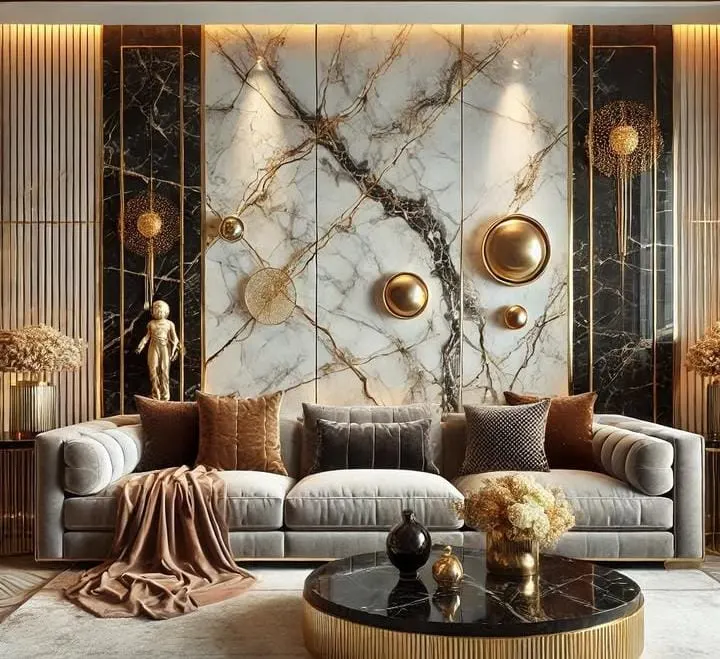
- Adds luxury, elegance, and a subtle sparkle.
- Perfect for dining rooms, bedrooms, hallways, and glam offices.
- Helps elongate or widen spaces depending on stripe direction.
- Metallic paints reflect light beautifully.
- Creates a high-end designer effect on a low budget.
- Works well with modern, glam, transitional, and Art Deco styles.
20. Half Wall Wainscoting Accent Wall
Materials / Tools Needed
- MDF or wood boards
- Chair rail molding
- Nail gun
- Caulk
- Paint
- Measuring tools
- Sandpaper
Step-by-Step Instructions
- Measure up the wall (usually 36–48 inches) to set your wainscoting height.
- Install the top chair rail molding using a level.
- Cut vertical boards to fit beneath the chair rail.
- Space them evenly for a clean paneled effect.
- Nail boards securely in place.
- Fill nail holes and cracks with caulk.
- Sand dried caulk for a smooth, paint-ready surface.
- Paint the entire wainscoting section with semi-gloss or satin paint.
- Paint the upper half of the wall a contrasting or neutral color.
- Consider wallpaper above the wainscoting for layered style.
- Add hooks or decorative elements if in an entryway.
- Keep décor minimal so the paneling remains the star.
- Touch up edges where two paint colors meet.
- Clean surfaces for dust or paint residue.
- Step back and admire the refined finish.
Benefits
- Adds classic architectural elegance to any room.
- Protects walls in high-traffic areas like hallways and entries.
- Creates a timeless, sophisticated look.
- Enhances depth and contrast with two-tone styling.
- Works in living rooms, dining rooms, bedrooms, and offices.
- Elevates your interior instantly with a polished finish.
Conclusion
Transforming a plain wall into a powerful design feature is one of the easiest and most rewarding ways to change the entire personality of a room. Whether you prefer bold geometric work, soft textured finishes, warm wood tones, or artistic hand-painted patterns, accent walls give you a chance to express yourself without overwhelming your home. The 20 ideas above prove that there is no single formula for creating a captivating focal point—what matters is choosing a style that feels authentic, complements the room, and sparks joy every time you walk in.
From calm bedrooms to lively dining spaces and modern home offices, each project adds depth, warmth, and character in its own unique way. As you plan your accent wall, think of how color, texture, contrast, and lighting work together to create a mood rather than just a visual moment. Save this guide so you can revisit the material lists and steps whenever you’re ready to begin, and feel free to explore more creative décor ideas that elevate your home with confidence and personality.