20 Ways to Make Your Home Look Expensive Without Breaking the Bank
There’s something deeply satisfying about walking into a home that feels polished, elegant, and effortlessly sophisticated. It’s not just about money—it’s about creating an atmosphere where every detail looks intentional and elevated.
Many people assume that luxury is only possible with sky-high budgets, but the truth is, you can make your home look expensive with smart choices, thoughtful styling, and a few clever upgrades. When you combine timeless touches with trending design tricks, your home instantly shifts from ordinary to extraordinary. Think crisp finishes, layered textures, and small yet impactful details that whisper luxury instead of shouting for attention.
The secret lies in knowing what to prioritize and how to style your space for maximum effect. Whether your home is large or small, these ideas will give it that high-end vibe you’ve always admired on Pinterest.
Also Read: Family Room Designs
Why First Impressions Matter in Home Styling
The way your home looks at first glance sets the tone for everything else. From the entryway to the living room, small design tweaks can change how guests (and even you) perceive your space. An elegant rug, good lighting, or a carefully curated gallery wall can instantly make a room feel more sophisticated. Paying attention to these first impressions means you don’t need a complete renovation to achieve a sense of luxury—you just need to highlight the right features and hide the wrong ones.
The Balance of Style and Function
Luxury isn’t only about looks—it’s about how your home works for you. The most expensive-looking interiors seamlessly combine beauty with function. That means furniture is both comfortable and chic, storage is both practical and stylish, and lighting is both flattering and efficient. Pinterest-worthy homes never feel cluttered or chaotic; instead, they balance style with ease of living. By focusing on functional upgrades that also look beautiful, you create a space that feels elevated and welcoming at the same time.
Quick Overview Table
| Design Idea | Style Impact | Best Room to Apply |
|---|---|---|
| 1. Statement Lighting | Modern + Elegant | Living Room, Dining Area |
| 2. Crown Molding Upgrade | Classic + Polished | Living Room, Bedrooms |
| 3. Large-Scale Artwork | Bold + Sophisticated | Entryway, Living Room |
| 4. Layered Window Treatments | Luxurious + Cozy | Bedrooms, Living Room |
| 5. Neutral Palette Mix | Timeless + Clean | Entire Home |
1. Statement Lighting
Materials Needed:
- Chandelier, pendant, or oversized floor lamp
- Ceiling hooks or mounting hardware
- Dimmable LED bulbs
- Ladder, drill, and screwdriver
- Ceiling medallion (optional for added luxury)
Instructions:
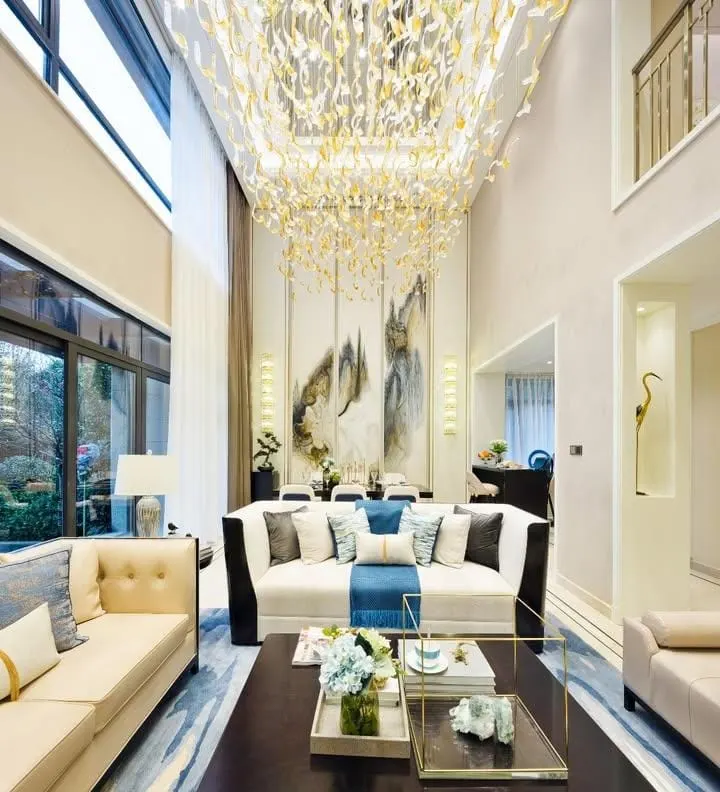
Start by identifying the main gathering area where lighting can make the most visual impact, such as above the dining table or in the living room. Remove any outdated light fixture and replace it with a chandelier, modern pendant, or oversized floor lamp depending on the room’s design. If hanging a ceiling fixture, use a ladder and secure it properly with mounting hardware. For added drama, consider placing a decorative ceiling medallion before installing the chandelier. Use dimmable LED bulbs to adjust brightness for different moods. Make sure the scale of the fixture fits the room—large enough to be noticed but not overwhelming. Once installed, center the light over the focal point of the room, whether that’s a dining table, coffee table, or reading nook.
Benefits:
Statement lighting immediately transforms a space, drawing the eye upward and creating a luxurious focal point. The right fixture adds elegance and sophistication, making the room feel intentional and styled. Functionally, dimmable lights allow you to shift from bright task lighting to cozy ambiance. This upgrade is often the quickest way to give any room a high-end look without major renovations.
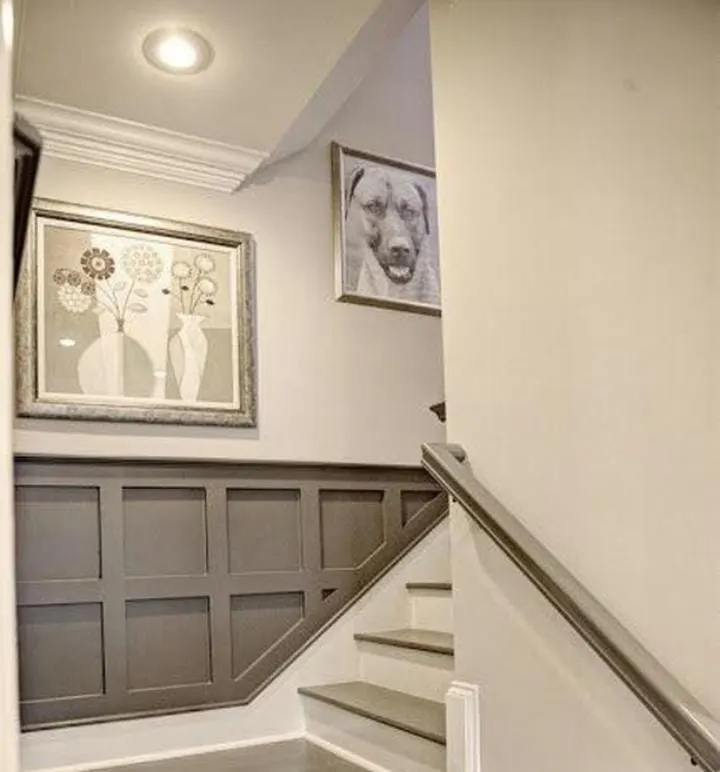
2. Crown Molding Upgrade
Materials Needed:
- Crown molding strips (wood, MDF, or polyurethane)
- Measuring tape
- Miter saw
- Nails or adhesive
- Caulk and paint
Instructions:
Measure the perimeter of the ceiling to determine how much molding you’ll need. Choose crown molding in a style that matches your home—sleek and simple for modern spaces or more ornate for traditional ones. Cut the molding strips at 45-degree angles using a miter saw to fit corners neatly. Install using either finishing nails or strong adhesive, depending on the material. Fill any gaps with caulk for a seamless look, then paint the molding in the same shade as the ceiling or a crisp white for contrast. Work carefully to ensure straight lines, as the finish will greatly impact the overall look. Once complete, step back and notice how the room instantly feels taller and more polished.
Benefits:
Crown molding adds architectural interest and instantly elevates a room’s sophistication. It creates a finished, custom-built feel that makes the space appear more expensive. The clean lines also help frame the room, drawing attention to the ceiling height. This upgrade balances both modern and traditional styles, making it versatile across different home aesthetics.
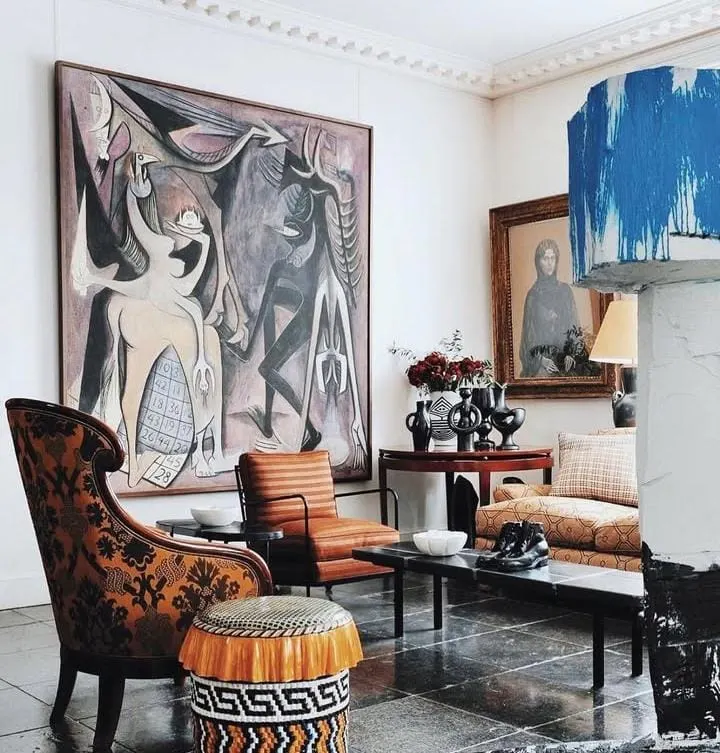
3. Large-Scale Artwork
Materials Needed:
- Oversized canvas or framed art piece
- Picture hooks and hanging wire
- Measuring tape and level
- Accent lighting (optional)
Instructions:
Select one wall as the focal point of the room—typically in the living area, dining room, or entryway. Choose a large-scale artwork that matches your home’s color palette, whether it’s an abstract piece, a landscape, or a black-and-white photograph. Position the artwork so the center is at eye level for best effect. Use measuring tape and a level to ensure perfect alignment, then hang it securely with hooks and wire. If the budget allows, install a picture light or spotlight above the art to highlight it. Keep surrounding décor minimal so the artwork remains the star.
Benefits:
Large artwork immediately gives the impression of luxury and sophistication. It makes the space feel curated, as if it were designed by a professional. The bold scale draws the eye and prevents walls from feeling empty or underdressed. Functionally, oversized art also sets the tone for the room, influencing its mood and style.
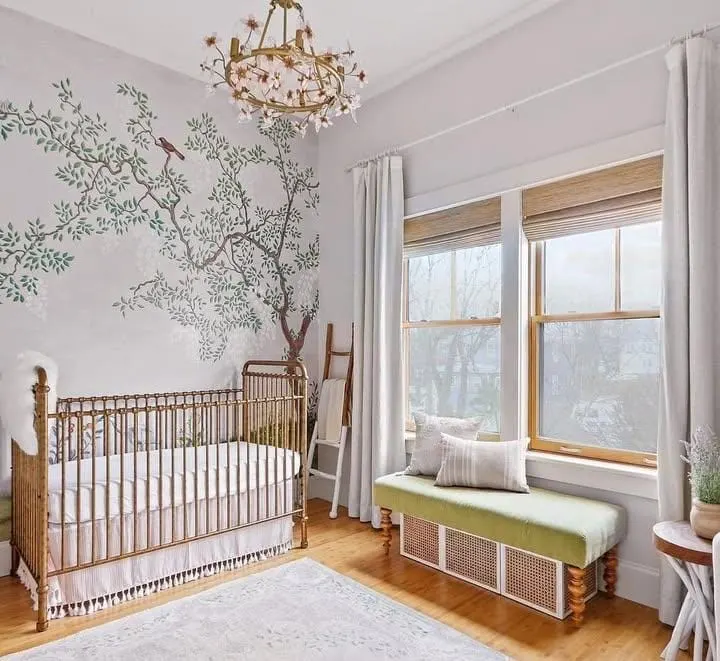
4. Layered Window Treatments
Materials Needed:
- Sheer curtains
- Heavy drapes (velvet, linen, or cotton)
- Curtain rods and brackets
- Measuring tape and drill
- Tiebacks or decorative hardware
Instructions:
Measure your windows carefully and install curtain rods several inches above the window frame to create the illusion of taller ceilings. Start with sheer curtains closest to the window to let in natural light. Layer heavier drapes on top, choosing fabrics that drape luxuriously, like velvet or linen. Use decorative tiebacks or rods to enhance the expensive look. Ensure the drapes are long enough to touch the floor, as shorter lengths can cheapen the effect. Keep colors neutral or rich to blend seamlessly with your décor. Adjust layers depending on the time of day, pulling sheers for light and drapes for privacy.
Benefits:
Layered window treatments give your home a hotel-like luxury feel. They make ceilings appear higher and add depth to flat walls. Functionally, they allow control over light and privacy while providing insulation. The rich fabrics add softness and warmth, making the room feel cozy and upscale at the same time.
5. Neutral Palette Mix
Materials Needed:
- Neutral paint (white, cream, taupe, soft gray)
- Rugs in muted shades
- Furniture in complementary neutrals
- Accent décor in metallic or wood tones

Instructions:
Paint the walls in a neutral shade such as creamy white or light gray to create a calm backdrop. Choose furniture in complementary tones like taupe, beige, or charcoal to build layers without overwhelming the space. Introduce rugs and textiles in soft neutrals, then add depth with metallic accents (gold, brass, chrome) or natural elements like wood. Keep patterns subtle, such as herringbone or stripes, to maintain a refined look. The key is layering shades of neutrals so the space doesn’t feel flat. Balance warm and cool tones for harmony, and incorporate texture through fabrics, rugs, and wood grains.
Benefits:
A neutral palette is timeless and creates an immediate impression of sophistication. It makes spaces feel calm, airy, and larger than they are. Functionally, it provides a versatile base for seasonal updates—you can swap out cushions or artwork without changing the entire design. This approach gives your home a high-end, curated feel without constant redecorating.
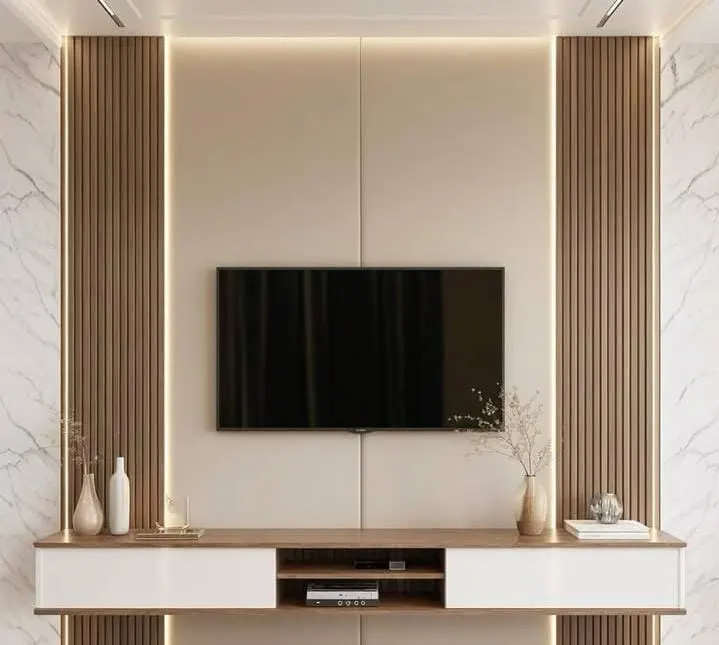
6. Marble or Marble-Look Accents
Materials Needed:
- Real marble slabs or marble-look contact paper
- Adhesive or mounting tools
- Measuring tape and utility knife
- Level and smoothing tool
- Sealer (for real marble)
Instructions:
Identify high-visibility surfaces such as coffee tables, console tables, or even countertops that could use an upgrade. If budget allows, replace tops with real marble slabs cut to size. For a budget-friendly alternative, use high-quality marble-look contact paper. Measure surfaces carefully and cut the paper with a utility knife. Smooth it out with a level or squeegee to avoid bubbles. For countertops, make sure the surface is clean and dry before applying. Real marble should be sealed with a protective coat to resist staining. Add metallic accents like brass trays or gold handles to enhance the effect.
Benefits:
Marble is synonymous with luxury and instantly elevates a space. Even faux marble can provide the same polished look at a fraction of the cost. It adds a sleek, timeless quality while reflecting light for brightness. Functionally, it’s durable and pairs well with both modern and traditional décor styles.
7. Oversized Mirrors
Materials Needed:
- Full-length or large framed mirror
- Mounting brackets or lean-to setup
- Measuring tape and level
- Optional decorative frame upgrade
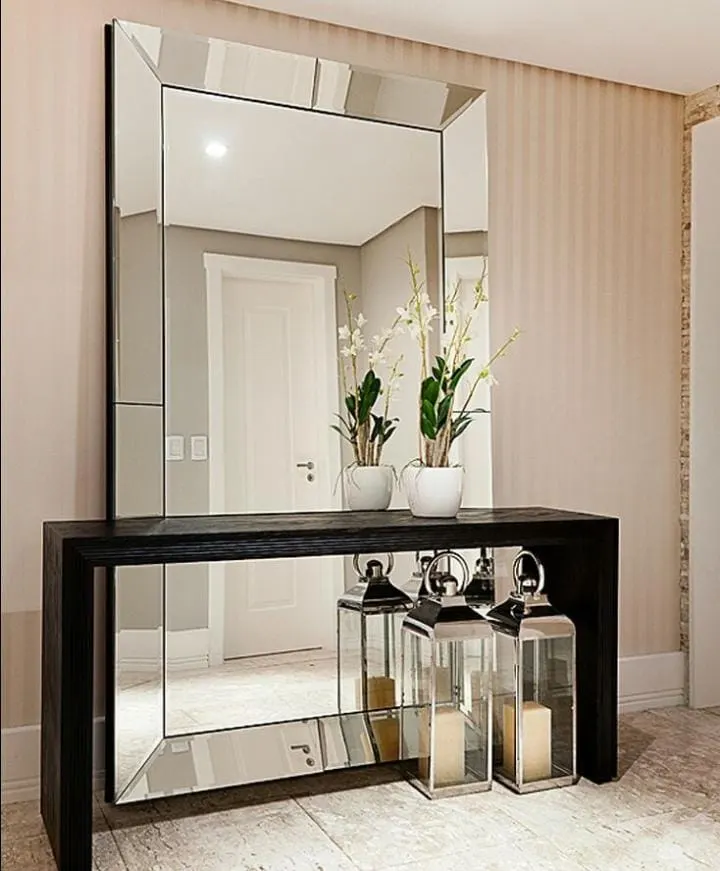
Instructions:
Choose a large mirror, either wall-mounted or freestanding, and place it in a location where it reflects natural light. Entryways, dining rooms, or behind sofas are ideal spots. If wall-mounting, measure carefully and install secure brackets to hold the weight. Alternatively, lean a full-length mirror against the wall for a chic, effortless vibe. For extra luxury, upgrade the frame with a metallic or wood trim that matches your overall design. Angle the mirror slightly to capture windows or artwork for maximum reflection impact.
Benefits:
Oversized mirrors create the illusion of more space and bounce light around the room, making it appear brighter and grander. They serve as both a practical and decorative piece, combining beauty with function. A well-placed mirror can be as impactful as artwork, instantly making a room feel curated and expensive.
8. Luxe Rugs
Materials Needed:
- Large area rug (wool, silk blend, or high-quality synthetic)
- Rug pad
- Measuring tape
- Vacuum or rug brush
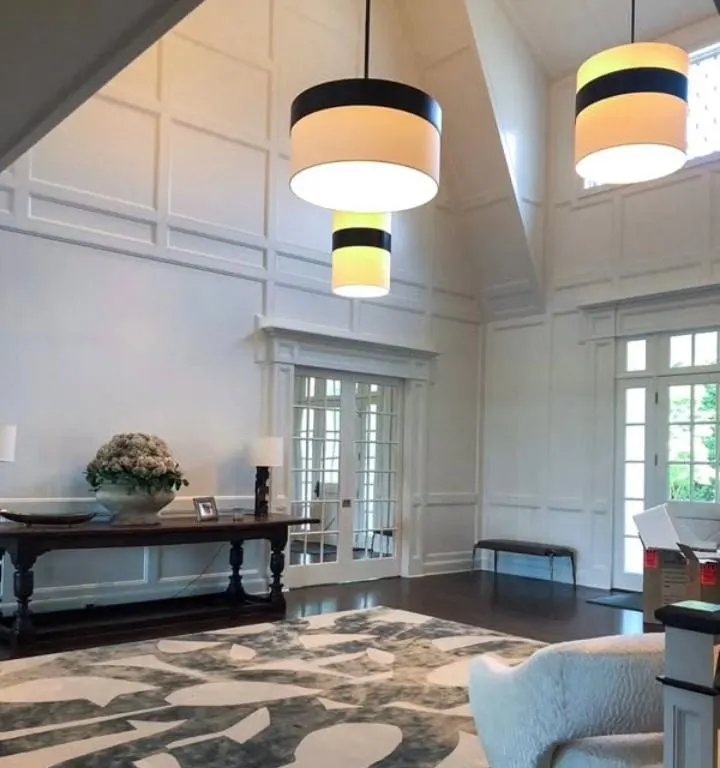
Instructions:
Measure the seating area in your living or dining room to ensure the rug is large enough—furniture should sit partly on the rug to unify the space. Choose a rug in a luxe material like wool or a plush synthetic blend, preferably with subtle patterns or solid colors. Place a rug pad underneath to prevent slipping and add extra cushioning. Vacuum regularly to maintain the texture and keep it looking fresh. Avoid rugs that are too small, as they can make the room feel cramped. Layering rugs (e.g., a jute base with a smaller patterned rug on top) can also create depth.
Benefits:
A well-chosen rug anchors a space and makes it feel more complete. Larger rugs give the impression of grandeur and prevent the “floating furniture” look. High-quality textures feel soft underfoot and add warmth to the room, creating both visual luxury and physical comfort.
9. Black Hardware Finishes
Materials Needed:
- Black cabinet handles or knobs
- Black faucet (kitchen or bathroom)
- Screwdriver and wrench
- Measuring tape
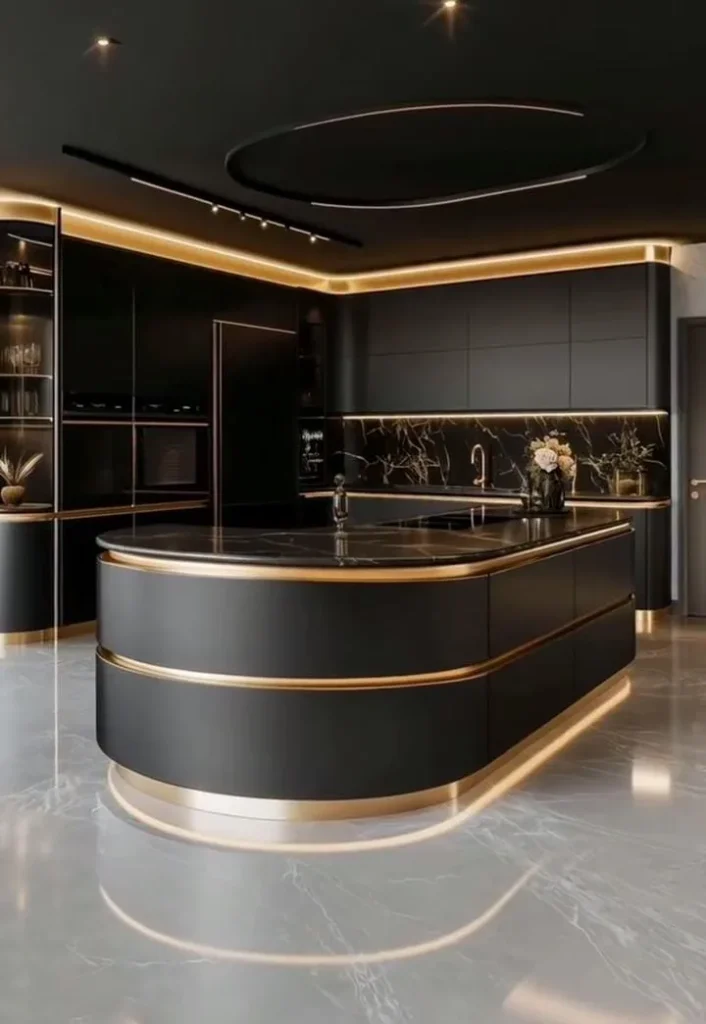
Instructions:
Replace outdated hardware like brass or chrome handles with sleek matte black finishes. Start with kitchen cabinets and bathroom vanities, then move to door handles if desired. Remove old hardware with a screwdriver and measure hole spacing before installing the new ones. If upgrading faucets, turn off the water supply, remove the old fixture, and install the black one following the manufacturer’s instructions. Ensure all pieces match across the space for a cohesive look.
Benefits:
Black hardware is modern, chic, and instantly makes a space feel updated. It provides strong contrast against lighter cabinets and adds depth to neutral palettes. Functionally, it hides fingerprints and smudges better than polished finishes. This small change makes kitchens and bathrooms look far more high-end with minimal investment.
10. Curated Coffee Table Styling
Materials Needed:
- Coffee table books
- Decorative tray
- Candles or small sculptures
- Fresh flowers or faux arrangement
- Small decorative bowl
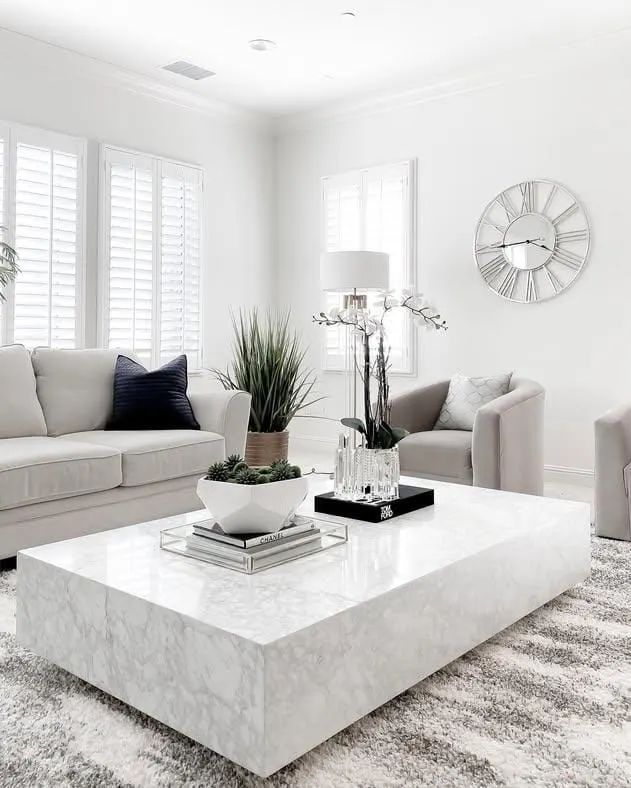
Instructions:
Clear your coffee table of clutter and start with a decorative tray as a base. Place a stack of two or three large coffee table books with beautiful covers. Add a small sculpture, candle, or vase of flowers for height and texture. Balance the arrangement by mixing different shapes—round bowls with rectangular books, for example. Rotate items seasonally to keep the display fresh. Keep functionality in mind, leaving space for drinks or remote controls. Use neutral or metallic tones to keep the setup elegant rather than busy.
Benefits:
A curated coffee table makes the living room feel intentional and styled, similar to luxury hotels or designer homes. It’s a small detail that creates a strong impression of taste and sophistication. Functionally, it keeps everyday items contained while doubling as décor.
11. Built-In Bookshelf Vibes
Materials Needed:
- Tall bookshelf or multiple identical shelves
- Paint in wall-matching color
- Decorative accessories (vases, art, baskets)
- Books with coordinated covers
- Anchors/brackets for stability
Instructions:
Choose a wall where shelving can become a focal point, such as behind a sofa or around a TV. Instead of buying costly custom built-ins, arrange identical bookshelves side by side to create the same effect. Paint the shelves in the same color as your wall for a seamless, architectural look. Anchor them securely with brackets to prevent tipping. Style with a mix of books and décor—use baskets for hidden storage, vases for height, and framed art for personality. Keep colors cohesive, with 2–3 tones dominating the display, and leave some negative space so the shelves don’t look cluttered.
Benefits:
Built-in shelves signal custom luxury without the high price tag. They add sophistication, function as storage, and frame your wall beautifully. The uniform look makes the room feel curated and expansive, while styled shelves double as personal expression and design statement.
12. Layered Bedding Like a Hotel
Materials Needed:
- Crisp white sheets
- Fluffy duvet insert
- Duvet cover in neutral or muted tone
- Throw blanket in a luxe texture (velvet, faux fur, linen)
- Decorative pillows in varied sizes
Instructions:
Start with a clean, crisp white sheet set as the foundation—hotel-inspired bedding always begins with white. Add a fluffy duvet in a cover that complements your room’s palette. Layer a textured throw blanket at the foot of the bed for dimension. Finish with a mix of pillows: two large shams, two standard pillows, and a couple of smaller accent cushions in velvet, silk, or linen. Arrange them symmetrically for a polished look. Tuck the corners of your sheets and duvet for sharp, clean edges.
Benefits:
Layered bedding immediately makes a bedroom feel luxurious and inviting. It adds softness, depth, and visual interest, transforming even a basic bed frame into a high-end retreat. Functionally, layered blankets and pillows provide comfort, warmth, and flexibility through the seasons.
13. Accent Walls with Texture
Materials Needed:
- Wallpaper (grasscloth, linen, or subtle patterns) OR textured paint panels
- Adhesive or paint tools
- Measuring tape
- Level
- Utility knife or scissors
Instructions:
Pick a single wall in a bedroom, living room, or dining room to turn into an accent wall. Measure the wall carefully and cut wallpaper or textured panels to fit. Apply adhesive evenly and use a level to ensure straight application. If using textured paint techniques, apply primer first, then use brushes, rollers, or specialty tools to create the desired texture. Keep furniture on that wall minimal so the texture remains the focus. Complement the accent wall with softer tones on the other walls to avoid overwhelming the space.
Benefits:
Textured accent walls provide instant luxury without needing to redecorate an entire room. They create depth, highlight architectural features, and act as a bold design element. Functionally, they anchor the room’s design, reducing the need for excessive décor elsewhere.
14. Metallic Touches
Materials Needed:
- Metallic picture frames or mirrors
- Gold/brass/copper vases or trays
- Spray paint for DIY metallic upgrades
- Soft cloth for polishing
Instructions:
Introduce metallic accents in small but impactful ways. Swap ordinary photo frames with gold or brass ones, or add a metallic tray to your coffee table. Incorporate copper or silver vases as centerpieces. For a budget-friendly approach, spray-paint outdated accessories (like old candle holders or plant pots) in a metallic finish. Balance metallics with neutral tones to prevent them from feeling gaudy—less is more. Place them strategically in areas that catch natural or artificial light to highlight the reflective qualities.
Benefits:
Metallic accents add shine and a sense of luxury to any room. They mimic the high-end finishes often seen in designer interiors. Functionally, they tie together different color schemes, acting as a unifying detail, while giving spaces a glamorous yet timeless feel.
15. Kitchen Open Shelving with Style
Materials Needed:
- Floating shelves or open shelving unit
- Anchors, screws, and drill
- Matching dishware (ceramic, glass, or wood)
- Decorative jars and containers
- Plants or small artwork
Instructions:
Install floating shelves or repurpose an existing open shelving unit in your kitchen. Use anchors and screws to ensure shelves can support weight. Curate the display with matching dishes, glassware, and decorative jars filled with pasta, grains, or spices. Incorporate natural elements like wooden cutting boards or small potted herbs for warmth. Style items in groups of threes for balance, and leave empty space for a clean, curated look. Rotate items seasonally to keep the display fresh.
Benefits:
Open shelving makes a kitchen feel airy, modern, and magazine-worthy. It highlights curated dishware and turns functional items into design features. Functionally, it keeps frequently used items accessible while doubling as a stylish display.
16. Layered Lighting
Materials Needed:
- Overhead chandelier or pendant
- Wall sconces
- Table and floor lamps
- Dimmable bulbs
- Extension cords and smart plugs (optional)
Instructions:
Instead of relying solely on one overhead light, introduce lighting in layers. Begin with a statement chandelier or pendant as the main source. Add wall sconces on either side of mirrors or artwork for accent lighting. Place table lamps on side tables and a tall floor lamp near a reading chair for task lighting. Use dimmable bulbs or smart plugs to control brightness easily. Arrange lights so they highlight different zones of the room without leaving dark corners. For consistency, keep finishes similar—brass, black, or chrome—to tie the look together.
Benefits:
Layered lighting mimics the ambiance of high-end interiors by creating mood and depth. It makes spaces feel cozy yet functional, while strategically highlighting architectural features or décor. Functionally, multiple light sources reduce eye strain and adapt to different times of the day or activities.
17. Elevated Entryway
Materials Needed:
- Console table or bench
- Large mirror or artwork
- Decorative tray or bowl
- Rug runner
- Hooks or small storage baskets
Instructions:
Transform your entryway into a welcoming first impression. Place a console table or bench near the door, anchoring it with a rug runner. Add a large mirror or framed artwork above the table to create height and reflect light. Place a decorative tray or bowl on the console for keys and essentials. Incorporate a vase of fresh flowers or a potted plant for life and color. If space allows, add hooks or baskets for functional storage. Keep the styling minimal to avoid clutter, focusing on symmetry and balance.
Benefits:
An elevated entryway sets the tone for the rest of your home, making it feel polished and intentional from the first step inside. It combines style with function, offering storage while presenting a curated look. Guests immediately sense a feeling of luxury and thoughtfulness.
18. Statement Doors
Materials Needed:
- Bold paint color (navy, black, deep green)
- High-quality paintbrush or roller
- New hardware (black, brass, or gold handles)
- Sandpaper and primer
- Painter’s tape
Instructions:
Upgrade interior or front doors for a high-end statement. Sand and prime the door to prepare the surface, then paint it in a bold yet timeless shade such as deep navy, matte black, or emerald green. Apply two coats for full coverage, allowing each to dry completely. Replace standard hardware with sleek, modern handles in brass, black, or chrome. Add trim details or paneling if desired for extra dimension. Use painter’s tape to ensure crisp edges around frames.
Benefits:
Statement doors elevate even the simplest architecture, turning a plain door into a focal point. The bold color and upgraded hardware suggest a custom design. Functionally, it defines rooms and adds personality without overwhelming the entire space.
19. Greenery and Large Plants
Materials Needed:
- Large potted plants (fiddle leaf fig, monstera, olive tree)
- Decorative pots or baskets
- Plant stand (optional)
- Soil and fertilizer
Instructions:
Select one or two large-scale plants to introduce into your living space. Place them in decorative pots or baskets that complement your room’s style. Position them in corners, near windows, or beside furniture where they’ll have the biggest impact. Use plant stands to vary height and add drama. Rotate plants occasionally for even sunlight and water according to their needs. If natural light is limited, opt for high-quality faux plants for the same effect without maintenance.
Benefits:
Large plants bring life, color, and freshness to a room, instantly making it look styled and expensive. They fill empty corners, add organic texture, and balance clean architectural lines. Functionally, real plants improve air quality and create a calming, natural vibe.
20. Minimalist Decluttering
Materials Needed:
- Storage baskets or bins
- Shelving or hidden cabinets
- Donation boxes
- Label maker (optional)
Instructions:
Walk through each room and remove unnecessary items that create visual noise. Sort belongings into “keep,” “store,” or “donate” categories. Use stylish baskets, bins, or cabinets to hide everyday clutter. On shelves, keep only a few curated items that align with your design style. Use a label maker to organize stored items discreetly. The goal is to create clean lines and open spaces that allow design elements—art, furniture, or lighting—to shine.
Benefits:
Minimalist decluttering is one of the most powerful (and free) ways to make a home look expensive. Clean, open spaces allow each design choice to stand out, while reducing stress and improving flow. Functionally, it makes your home easier to maintain and more enjoyable to live in.
Conclusion
Making your home look expensive doesn’t mean draining your bank account—it’s about choosing upgrades that deliver maximum impact with style and intention. From layered lighting to statement doors and curated styling, these 20 ideas prove that luxury lies in the details. Every suggestion here is achievable with a mix of creativity, patience, and smart investments. The result is a home that feels polished, welcoming, and deeply personal—just like the dream spaces you save on Pinterest.
If these ideas inspired you, be sure to save this guide and return whenever you need fresh styling motivation. Small changes add up to a big transformation, and your home deserves to feel as elevated as the lifestyle you’re building.