15 Outdated Home Décor Trends to Avoid (and What to Do Instead)
Home décor should reflect comfort, personality, and timeless style, but some trends simply don’t age well. What once felt chic and modern can quickly look tired, overwhelming, or even impractical in today’s homes. From overly matched furniture sets to heavy drapes that block natural light, outdated design choices can make a space feel stuck in the past. With Pinterest and Instagram constantly inspiring us with fresh ideas, knowing which décor trends to avoid can help you create a home that feels both stylish and functional.
By letting go of outdated practices, you open your living spaces to lighter, fresher, and more authentic styles that will truly stand the test of time. The goal isn’t to chase every new fad but to recognize what’s no longer serving your home’s mood and energy. By steering clear of these dated looks, you’ll design a space that feels welcoming, modern, and uniquely yours.

This guide dives deep into the most common outdated home décor trends that are still holding on in many households. More importantly, it shows you what to do instead—simple, achievable décor projects that bring balance, warmth, and Pinterest-worthy appeal. Think of this as your roadmap for creating a home that feels refreshed and re-energized.
Why Outdated Décor Can Weigh Down a Home
Outdated décor doesn’t just affect appearances; it affects how you feel in your space. Heavy curtains can make a room feel smaller, too many dark woods can sap brightness, and over-stuffed rooms leave no space to breathe. When your décor is out of step with your lifestyle, it subtly affects your mood and productivity. A room that feels stuck in the past often lacks the vibrancy and comfort you crave in a modern home.

By swapping these tired trends with fresh alternatives, you’ll not only elevate the look of your home but also create an atmosphere that supports relaxation, inspiration, and joy.
Also read: Best Guest Room Ideas
The Rise of Pinterest-Worthy Homes
Pinterest has changed the way people approach decorating. Instead of following cookie-cutter styles, homeowners now crave uniqueness, layered textures, and personalized charm. The trend is shifting toward cozy minimalism, natural materials, and versatile pieces that make a space truly lived-in. Avoiding outdated décor isn’t about chasing every trend; it’s about building a foundation that feels both timeless and adaptable.
When you focus on décor that looks good today and will still feel right tomorrow, you create a home that grows with you. Let’s explore 15 outdated décor mistakes and the 20 fresh projects that can replace them.
Quick Guide: Outdated Trends vs. Fresh Alternatives
| Outdated Décor Trend | Fresh Alternative Project |
|---|---|
| Matching furniture sets | Mixed textures + curated combinations |
| Heavy drapes | Light curtains or layered sheers |
| Faux floral arrangements | Real indoor plants or dried botanicals |
| Dark wood overload | Balanced light/dark wood tones |
| Wall-to-wall carpeting | Area rugs over hardwood or laminate |
20 Fresh Projects to Replace Outdated Décor
Project 1: Ditch Matching Furniture Sets

Materials Needed: Individual furniture pieces, measuring tape, fabric swatches, wood samples, décor accents.
Instructions:
- Evaluate your current room for “matchy-matchy” sets.
- Decide which pieces to keep and which to replace.
- Start by introducing a contrasting nightstand, chair, or side table.
- Mix wood tones—light oak with darker walnut, for example.
- Incorporate upholstered seating in fabrics that contrast with your sofa or bed.
- Bring in metal accents (brass, black, chrome) to break uniformity.
- Choose rugs that tie different pieces together.
- Use throw pillows to unify varied fabrics.
- Consider DIY painting or staining of old furniture for variety.
- Add vintage or handmade pieces for charm.
- Place items strategically to avoid imbalance.
- Keep functionality in mind while styling.
- Incorporate texture (woven, glass, ceramic).
- Edit down pieces that feel too repetitive.
- Step back and adjust until balance feels natural.
Benefits: Avoiding full sets makes your space feel curated instead of showroom-staged. Mixed textures and styles create depth, warmth, and a lived-in look that aligns perfectly with Pinterest-inspired aesthetics.
Project 2: Replace Heavy Drapes with Light Layers
Materials Needed: Sheer curtains, curtain rods, brackets, drill, light linen panels, measuring tape.
Instructions:
- Remove heavy drapes and hardware.
- Measure your windows for updated rods.
- Install slim, modern curtain rods.
- Layer sheer panels closest to the window.
- Add lightweight linen or cotton panels over sheers.
- Ensure panels reach the floor for elegance.
- Use light or neutral colors for maximum brightness.
- Mount rods slightly above the window for height.
- Double up panels for fullness.
- Use tiebacks to adjust natural light flow.
- Add blinds if privacy is needed.
- Steam or iron curtains for a polished look.
- Style with matching tieback cords or fabric strips.
- Check for even alignment across windows.
- Enjoy airy, natural light filling the room.
Benefits: Replacing heavy drapes with light layers instantly refreshes a room, creating openness and flow. Natural light enhances mood, highlights textures, and makes spaces feel more modern.
Project 3: Trade Faux Florals for Real Plants
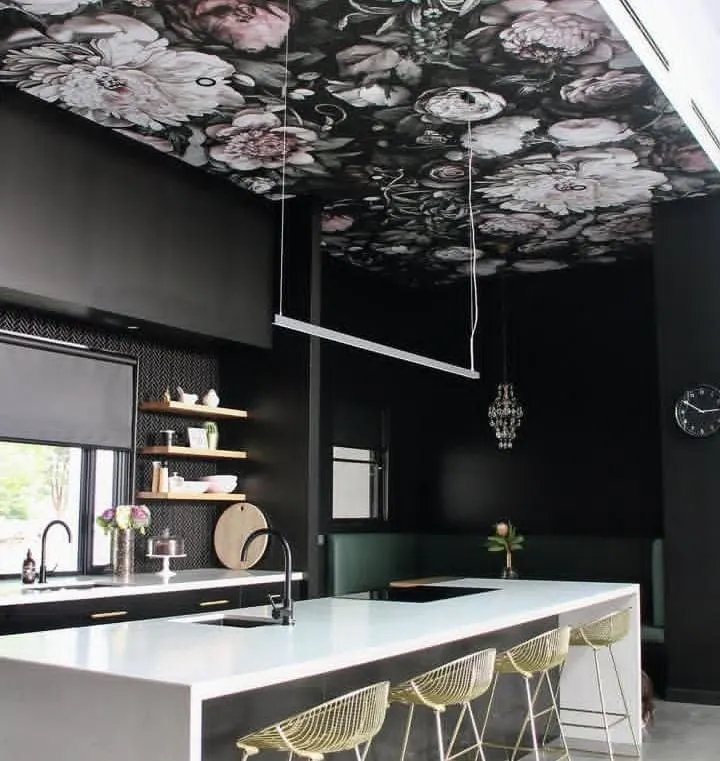
Materials Needed: Potted plants, decorative planters, watering can, plant stand, grow lights (optional).
Instructions:
- Collect all faux florals and assess where they’re placed.
- Replace one area at a time with a real plant.
- Choose low-maintenance plants like snake plants or pothos.
- Use decorative pots to match your décor style.
- Place taller plants in corners for balance.
- Add trailing plants on shelves for softness.
- Use small pots on desks and tables for accents.
- If natural light is limited, invest in a grow light.
- Water plants according to their specific needs.
- Dust leaves regularly for shine.
- Rotate plants weekly for even growth.
- Group plants in clusters of odd numbers for visual interest.
- Experiment with heights using plant stands.
- Add woven baskets for a cozy touch.
- Watch your space transform with living greenery.
Benefits: Real plants purify air, boost mood, and add organic charm. Unlike faux florals, they never look dated. A plant-filled space feels vibrant, Pinterest-worthy, and calming.
Project 4: Lighten Up Dark Wood Overload
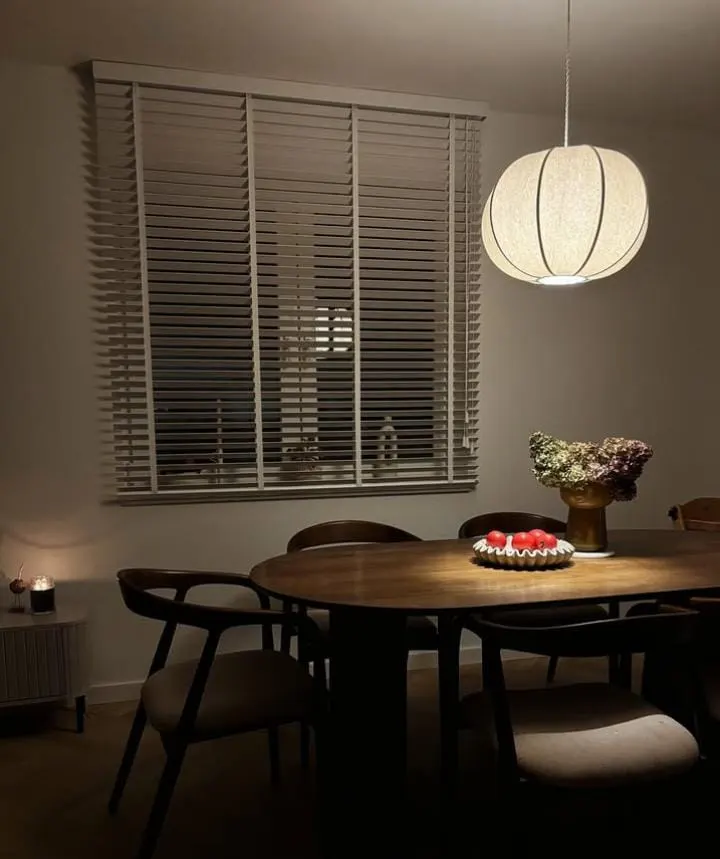
Materials Needed: Sandpaper, paint or stain, sealer, brushes, lighter accent pieces, area rugs.
Instructions:
- Identify areas dominated by dark wood.
- Decide which pieces to refinish and which to balance with lighter tones.
- Sand down a dark piece to prep for new stain or paint.
- Apply light oak or ash stain for a fresh tone.
- Seal for durability.
- Introduce lighter accent furniture like rattan or birch.
- Use white or beige rugs to offset darker floors.
- Add wall art with light frames.
- Pair darker wood with metallic accents for lift.
- Place neutral throw blankets over dark chairs.
- Paint trim or molding in crisp white for contrast.
- Mix in glass or acrylic pieces for airiness.
- Avoid overcrowding dark furniture in one area.
- Edit down overly heavy furniture pieces.
- Style with greenery for freshness.
Benefits: Balancing dark wood with lighter accents prevents heaviness. The room feels brighter, more spacious, and in tune with modern design trends without losing character.
Project 5: Replace Wall-to-Wall Carpet with Area Rugs
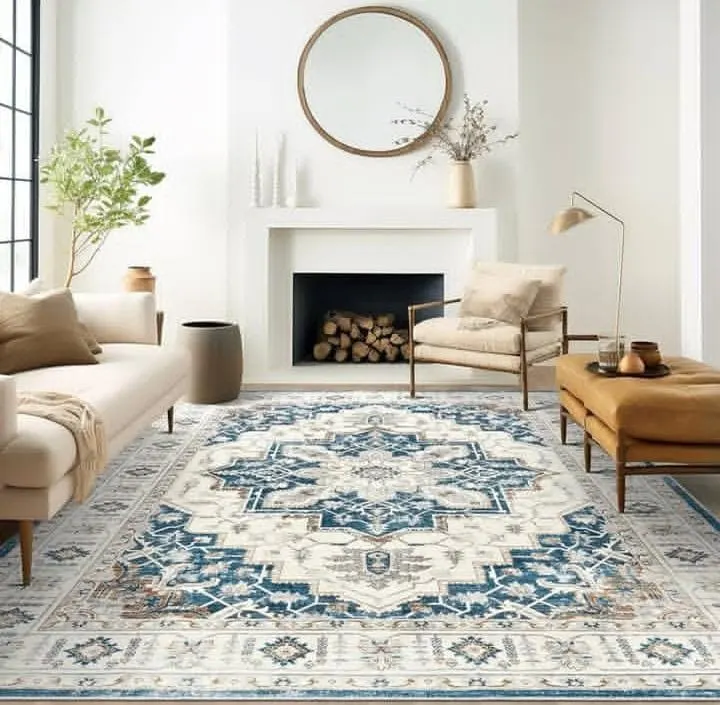
Materials Needed: Utility knife (for removal), hardwood/laminate or vinyl flooring, underlayment, area rugs, rug pads.
Instructions:
- Remove old carpet carefully with a utility knife.
- Pull up padding and tack strips.
- Clean and prep subfloor.
- Install hardwood, laminate, or vinyl planks.
- Add underlayment if required for soundproofing.
- Choose area rugs that define each space.
- Place large rugs under beds or sofas.
- Use smaller rugs in entryways or seating corners.
- Layer rugs for bohemian or cozy effect.
- Ensure rugs have pads to prevent slipping.
- Mix textures—jute, wool, cotton—for interest.
- Rotate rugs seasonally for freshness.
- Use rugs with patterns to anchor neutral rooms.
- Add fringed edges for style.
- Enjoy flexible, low-maintenance flooring.
Benefits: Swapping carpets for area rugs gives flexibility and style. Rugs define zones, are easier to clean, and bring texture without locking the room into one dated look.
Project 6: Skip Overly Themed Rooms

Materials Needed: Neutral paint, versatile furniture, accent décor pieces, removable wallpaper, storage bins.
Instructions:
- Identify if your room follows a heavy-handed theme (like beach shells everywhere or rustic cabin overload).
- Keep one or two themed accents, but remove duplicates.
- Repaint walls in a versatile, neutral tone like warm beige or soft gray.
- Replace literal décor with subtle nods (e.g., ocean-blue pillows instead of seashell lamps).
- Choose versatile furniture that blends across styles.
- Swap bold wallpaper for removable, understated patterns.
- Add natural textures like linen or wood to replace kitsch items.
- Use themed items sparingly as highlights.
- Incorporate abstract art or photography instead of cliché symbols.
- Edit down accessories to avoid clutter.
- Use storage bins to hide extra items you’re not ready to part with.
- Layer pillows, throws, and rugs for warmth.
- Ensure colors complement rather than scream a theme.
- Mix contemporary pieces with any traditional items.
- Step back and aim for a more balanced atmosphere.
Benefits: Avoiding strict themes keeps your space timeless and flexible. Subtle nods create personality without overwhelming the room, leaving it stylish and Pinterest-ready.
Project 7: Avoid Popcorn Ceilings

Materials Needed: Spray bottle, water, scraper, drop cloths, safety goggles, respirator mask, paint, primer.
Instructions:
- Lay down drop cloths to protect flooring.
- Spray a section of the popcorn ceiling with water.
- Let it sit for 15 minutes to soften.
- Gently scrape with a wide scraper tool.
- Collect debris into bags as you go.
- Repeat process across entire ceiling.
- Patch any small dents with joint compound.
- Sand smooth once dry.
- Prime the ceiling to prepare for paint.
- Paint with flat ceiling paint in a neutral color.
- Add crown molding for detail if desired.
- If removal is too difficult, consider covering with drywall panels.
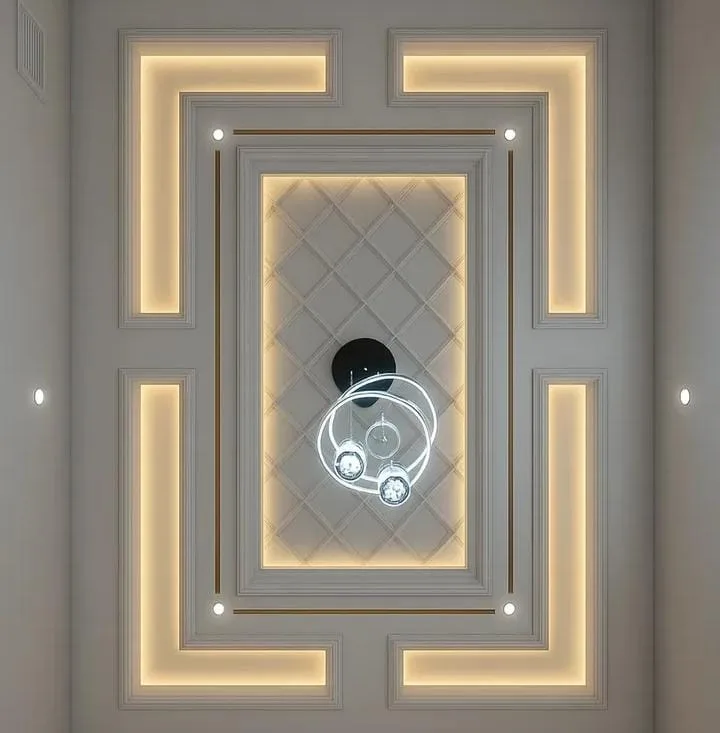
- Install flush light fixtures or recessed lighting for modern effect.
- Keep ventilation strong during process.
- Step back to admire smooth, updated ceilings.
Benefits: Removing popcorn ceilings instantly modernizes a room. It creates a clean, fresh canvas that feels brighter and more open, aligning with contemporary Pinterest looks.
Project 8: Replace Oversized Recliners with Sleek Seating
Materials Needed: Compact sofa or accent chairs, measuring tape, slipcovers, throw pillows, delivery tools.
Instructions:
- Measure your current recliner footprint.
- Remove bulky recliners dominating the space.
- Replace with a smaller sectional or mid-century accent chairs.
- Select neutral upholstery for versatility.
- Add stylish slipcovers for quick updates.
- Layer with textured throw pillows.
- Position chairs to encourage conversation.
- Keep walkways clear for better flow.
- Place a small side table between chairs.
- Add a floor lamp for a cozy reading corner.
- Use ottomans instead of large footrests.
- Anchor seating with a rug.
- Consider multi-functional pieces like storage benches.
- Style with minimalist lines for sleekness.
- Enjoy the new airy seating arrangement.
Benefits: Streamlined seating replaces bulky recliners with lighter, versatile pieces. Your living space feels bigger, more modern, and stylish without sacrificing comfort.
Project 9: Say Goodbye to Excessive Shiplap
Materials Needed: Pry bar, spackle, sandpaper, paint, drywall panels (optional), primer, roller.
Instructions:
- Evaluate walls covered entirely in shiplap.
- Keep one accent wall if desired, but remove the rest.
- Use a pry bar to gently detach boards.
- Patch nail holes with spackle.
- Sand surface smooth once dry.
- Prime the wall to prep for paint.
- Paint in soft, versatile shades.
- If walls are uneven, install drywall panels.
- Add texture with fabric wall hangings instead.
- Consider wallpaper with subtle patterns.
- Use modern wall art for character.
- Limit shiplap to ceilings or small nooks for subtlety.
- Replace horizontal planks with vertical boards if craving dimension.
- Decorate with layered shelves to add interest.
- Step back and embrace balanced design.
Benefits: Removing excessive shiplap keeps your space from feeling overdone. A restrained touch adds charm, while reducing it modernizes your walls and prevents farmhouse fatigue.
Project 10: Replace Overly Glossy Finishes
Materials Needed: Sandpaper, matte or satin finish paint, brushes, primer, sealer.
Instructions:
- Identify glossy furniture or walls.
- Sand glossy surfaces lightly to remove shine.
- Prime furniture or walls for better paint adhesion.
- Apply matte or satin paint in desired color.
- Use brushes or rollers for smooth finish.
- Add a sealer for durability without gloss.
- Swap glossy countertops with honed or matte options if possible.
- Use slipcovers for shiny leather sofas.
- Replace glossy décor (vases, frames) with textured finishes.
- Layer fabrics like linen and wool to reduce shine.
- Keep a small amount of metallics for accents only.
- Replace high-gloss tiles with subway or matte versions.
- Use chalk paint for a trendy effect on old furniture.
- Balance any shine with natural wood.
- Enjoy a softened, approachable design.
Benefits: Overly glossy finishes can feel cheap and dated. Switching to matte or satin tones creates depth, texture, and sophistication that feels modern yet timeless.
Project 11: Move Away from Tuscan-Style Kitchens
Materials Needed: Neutral paint, subway tile backsplash, quartz or butcher-block countertop, matte cabinet hardware, pendant lights.
Instructions:
- Identify heavy Tuscan elements like dark cherry cabinets and ornate tiles.
- Repaint cabinets in light neutrals (white, beige, or soft gray).
- Replace ornate backsplash with simple subway or geometric tiles.
- Swap dark granite countertops for quartz or butcher block.
- Remove bulky cabinet hardware and replace with sleek matte finishes.
- Install modern pendant lights instead of wrought iron fixtures.
- Add open shelving to break up cabinet heaviness.
- Style shelves with minimal ceramics and greenery.
- Use light, natural fabrics for curtains or shades.
- Replace ornate barstools with clean-lined options.
- Balance wood tones with fresh white paint on trim.
- Swap heavy Tuscan rugs with simple woven runners.
- Add indoor plants for freshness.
- Limit decorative items to avoid clutter.
- Step back and embrace the lighter, modernized space.
Benefits: Moving away from Tuscan kitchens brightens the heart of your home. Lighter colors and simpler finishes create a timeless, versatile style that feels open and welcoming.
Project 12: Avoid Overly Distressed Furniture
Materials Needed: Sandpaper, primer, paint (satin or matte), sealer, new hardware.
Instructions:
- Assess distressed furniture pieces.
- Sand down heavily chipped or over-weathered surfaces.
- Apply primer to smooth the surface.
- Paint in a modern matte or satin finish.
- Seal for durability.
- Replace rustic hardware with streamlined knobs.
- Limit distressing to one subtle piece if desired.
- Incorporate updated textures like rattan or natural wood.
- Pair furniture with clean-lined accents.
- Layer throws and pillows to soften rather than distress.
- Mix in new lighting fixtures for contrast.
- Avoid faux distressing techniques entirely.
- Reuse salvaged wood sparingly.
- Style furniture with greenery or ceramics.
- Enjoy your polished, refreshed pieces.
Benefits: Overly distressed furniture looks dated and sometimes sloppy. Modern finishes keep furniture chic, versatile, and more Pinterest-aligned while still maintaining warmth.
Project 13: Phase Out Overly Ornate Chandeliers
Materials Needed: Modern chandelier or pendant, ladder, drill, screws, lightbulbs.
Instructions:
- Turn off power before removing old chandelier.
- Unscrew and carefully detach ornate fixture.
- Patch and repaint ceiling if necessary.
- Install a sleek, updated fixture.
- Choose materials like glass, metal, or natural fibers.
- Ensure scale matches room size.
- Use warm LED bulbs for soft glow.
- Add dimmer switch for control.
- Keep cords neatly tucked.
- Complement fixture with other room lighting.
- Layer lighting with floor or table lamps.
- Avoid oversized crystal-heavy designs.
- Install pendant clusters for modern look.
- Position for even light distribution.
- Step back to admire fresh ambiance.
Benefits: Replacing ornate chandeliers with modern fixtures updates a room instantly. Clean lines and balanced lighting create a warm, stylish focal point that won’t date quickly.
Project 14: Move Away from Overstuffed Sofas
Materials Needed: Sleek sofa or sectional, throw pillows, slipcovers, delivery tools.
Instructions:
- Measure your current sofa footprint.
- Replace bulky, overstuffed sofas with streamlined options.
- Choose slim armrests and structured cushions.
- Select neutral fabric for versatility.
- Add removable slipcovers for flexibility.
- Style with two to three statement pillows.
- Keep pillows minimal to avoid clutter.
- Anchor sofa with a light area rug.
- Pair with a modern coffee table.
- Avoid pairing with overly heavy recliners.
- Place sofa to encourage open flow.
- Layer soft throws for comfort.
- Keep accessories light and intentional.
- Use side tables with sleek profiles.
- Enjoy the fresh, uncluttered vibe.
Benefits: Sleek sofas free up space and create a polished aesthetic. They blend comfort with modern appeal, making rooms airy and visually appealing without feeling crowded.
Project 15: Skip Bold Accent Walls
Materials Needed: Neutral paint, rollers, brushes, painter’s tape, wallpaper (optional).
Instructions:
- Identify bold painted walls that dominate the room.
- Remove or cover old paint with primer.
- Repaint in a neutral, balanced tone.
- Choose soft whites, beiges, or muted pastels.
- If contrast is desired, use subtle wallpaper.
- Tape edges carefully for clean lines.
- Apply two coats of paint evenly.
- Use finish that complements lighting (matte or eggshell).
- Incorporate color through accessories instead.
- Add wall art to break monotony.
- Use textiles (rugs, throws) for variety.
- Balance with layered lighting for dimension.
- Avoid sharp, overly bright colors.
- Keep décor minimal and cohesive.
- Step back and admire the calm, timeless walls.
Benefits: Removing bold accent walls avoids jarring, dated looks. Neutral backdrops allow accessories, furniture, and art to shine, creating a more timeless Pinterest-style environment.
Conclusion: Redefining Your Space with Timeless Style
The beauty of home décor lies in its ability to evolve—your spaces should tell your story, not follow fleeting trends. As design preferences shift, it’s important to let go of outdated elements that weigh down your home and embrace a fresher, more intentional approach. Avoiding these outdated décor trends doesn’t mean stripping away personality—it means creating a space that feels balanced, modern, and authentically you.
By focusing on timeless materials, cleaner lines, and softer palettes, your home instantly transforms into a place that feels calm, open, and inspiring. Each change—whether it’s swapping ornate chandeliers for sleek lighting or replacing bold accent walls with soothing neutrals—moves you toward a more cohesive, Pinterest-worthy look that stands the test of time.
Trends come and go, but the feeling of home is forever. Choose quality over excess, and design with purpose rather than impulse. When you make thoughtful updates, every corner of your home feels like a fresh start—a space where comfort meets beauty, and style meets soul.
If this guide inspired you, save it for your next decorating project or pin your favorite ideas to revisit later. Your dream home is just a few mindful updates away—start now, and create a space that feels truly timeless and uniquely yours.